
Why dogs sleep with Eyes Open.
Discover why dogs sleep with their eyes open, from light dozing to REM sleep. Learn about the role of the third eyelid, breed anatomy, and when to consult a vet for potential issues. Understand your dog's sleep habits better!
Tank 🐕and Buddy 🦮
7/10/20267 min read
Introduction to Canine Sleep Patterns
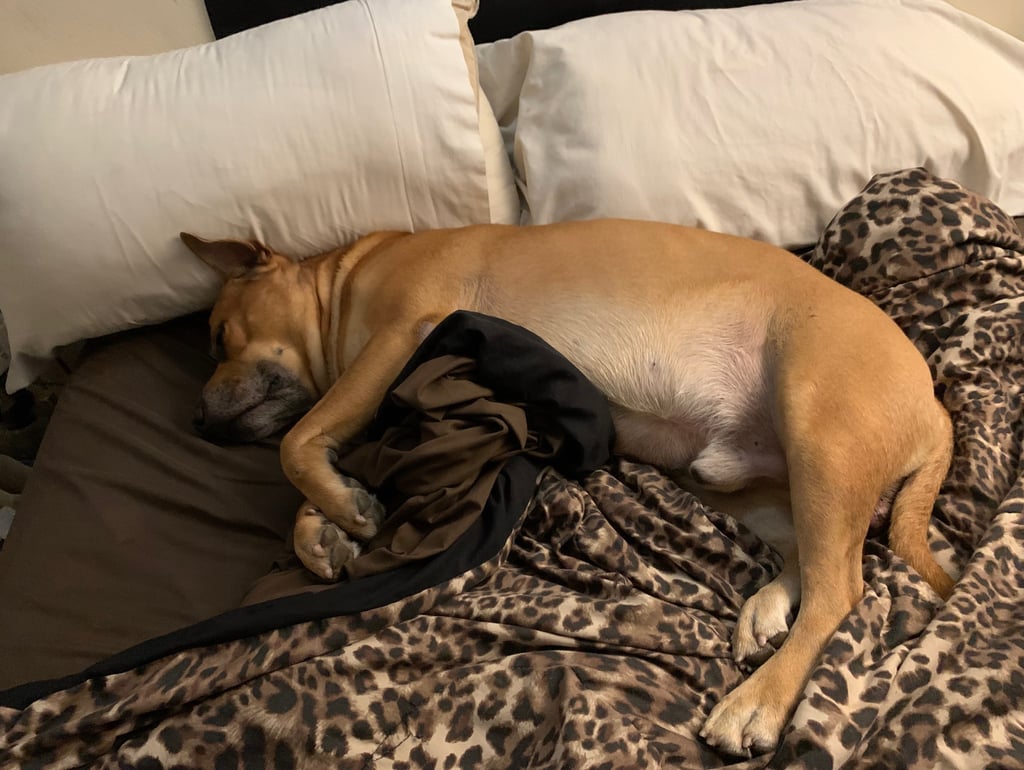
Understanding canine sleep patterns is essential for any dog owner, as it provides insight into their health and well-being. Dogs, like humans, experience various stages of sleep, which can be broadly categorized into light sleep, deep sleep, and REM (Rapid Eye Movement) sleep. The sleep cycle of a dog typically lasts about 20 minutes; therefore, dogs may not sleep as long in one stretch as their human counterparts.
During light sleep, a dog remains somewhat alert and can quickly wake up if needed. This stage is considered essential for rest and relaxation, enabling the dog to recharge its energy. In contrast, deep sleep is characterized by more pronounced inactivity, where physical growth and healing can occur. During the REM stage, dogs may exhibit twitching or moving their legs, indicating they are likely dreaming, akin to human REM sleep.
The amount of sleep a dog requires varies depending on several factors, including age, breed, and overall health. Puppies and older dogs generally sleep more than younger, active dogs. Interestingly, smaller dog breeds tend to need more sleep compared to larger breeds. On average, dogs sleep anywhere from 12 to 14 hours a day, with occasional naps interspersed throughout. This sleep is critical for their physical and mental health, influencing their ability to play, learn, and interact with their environment.
In addition to these sleep stages, a dog's sleeping habits also include preferences for certain sleeping positions and locations in the home. Understanding these behaviors can help owners create a comfortable sleeping area for their pets, thereby enhancing their overall quality of life. Thus, fostered sleep quality and environment can significantly impact a dog's health and behavior, underscoring the importance of recognizing and accommodating their unique sleep patterns.
Understanding Light Dozing in Dogs
Light dozing is a state of sleep that many dogs enter between being fully awake and experiencing deep sleep. During this phase, dogs can be noticeably undisturbed yet maintain a level of alertness. This state allows them to remain aware of their surroundings, which is a behavior rooted in their instincts as both prey and predator in the wild. In light dozing, a dog's body relaxes, yet the mind remains somewhat awake, making transitions to full consciousness swift should the need arise.
One distinguishing feature of light dozing is the manner in which a dog's eyelids behave. While in this state, many dogs may exhibit the peculiar trait of sleeping with their eyes partially open. This phenomenon occurs due to the level of relaxation in their eyelids during light dozing. Unlike in deep sleep, where the body is in a more relaxed and unconscious state leading to complete eyelid closure, light dozing may cause dogs to maintain a slight opening, which can sometimes appear startling to onlookers.
The level of relaxation during light dozing is not as profound as that found in deep sleep. Dogs often breathe rhythmically, but their movements may be sporadic, reflecting a transitional stage in the sleep cycle. Light dozing is essential for dogs as it provides restorative benefits while still allowing them to monitor their environment. This characteristic behavior underscores the evolutionary adaptations dogs have developed over time, enabling them to balance rest and vigilance effectively. Understanding this unique aspect of canine sleep can help dog owners better interpret their pet's behavior, promoting a stronger bond and improved care strategies.
The Role of the Third Eyelid
Dogs possess a unique anatomical feature known as the third eyelid, or nictitating membrane, which plays a crucial role in protecting their eyes. This translucent membrane, located at the inner corner of the eye, serves several functions that are particularly important during a dog’s resting or sleeping phases.
When dogs enter a sleep state, especially in deeper stages of rest, the third eyelid can partially cover their eyeball. This action provides a barrier against debris and harmful particles that may irritate the eye. Additionally, the third eyelid contains a gland that secretes a portion of the fluids necessary for maintaining eye health, ensuring that the eye remains moist even when the dog is not fully awake to blink. Therefore, the translucency of this membrane can create the appearance of a dog sleeping with its eyes wide open, leading to some confusion among pet owners regarding their dog's alertness.
Furthermore, the third eyelid plays an essential role in a dog’s overall welfare. In the wild, this natural protective mechanism helps prevent injury during sleep. For instance, if a dog were sleeping in an area prone to threats, the third eyelid would still shield its eyes against surprise attacks or environmental elements, allowing the dog to remain partially alert while still getting rest.
In essence, the third eyelid is vital not only for eye protection but also for eye hydration, playing a significant role in maintaining the health of a dog’s visual apparatus. It is important for dog owners to understand this feature in order to better appreciate their pet’s resting behaviors and the various ways in which dogs adapt to their environment while they sleep.
Active Dreaming and REM Sleep in Dogs
Just like humans, dogs go through several sleep cycles, including REM (Rapid Eye Movement) sleep, which is a crucial phase of their rest. During REM sleep, the brain is highly active, and this is the stage where dreaming occurs. It is during this time that dogs may exhibit various physical signs, such as twitching, paddling their legs, or making noise, indicating that they are likely engaged in dream activity. For many dog owners, the sight of their beloved pet seemingly chasing squirrels or playing with friends while asleep can bring a smile, but it also raises questions about why dogs sometimes appear to sleep with their eyes open.
The phenomenon of dogs sleeping with their eyes partially open or completely open can be linked to their unique sleep patterns. Unlike humans, who may have a more distinct phase of deep sleep with closed eyes, dogs tend to have lighter sleep stages where the eyelids may not fully cover the eyes. This can give the impression that they are awake, even when they are profoundly asleep and experiencing vivid dreams. In some instances, a dog's relaxation state can result in the muscles surrounding the eyes remaining slightly contracted, contributing further to this appearance.
Such behavior does not usually indicate a medical problem; rather, it reflects a normal aspect of canine physiology. Observers may notice eye movements that correspond with dreams, as the eyes shift beneath the eyelids. This can be attributed to the brain processing experiences and emotions from their waking life, underscoring the complexity of canine cognition. Recognizing these signs can deepen the bond between a dog and its owner, as understanding that their furry companion is immersed in a dream world helps to appreciate the dog's mental health and emotional well-being.
Breeds and Their Unique Sleeping Habits
Among the various dog breeds, certain ones are more prone to sleeping with their eyes open due to their specific anatomical features. Notable among these are brachycephalic breeds, a term used to describe dogs with short, compact skulls. Breeds like pugs, French bulldogs, and Boston terriers are common examples. The unique structure of their facial bones and soft tissues can significantly influence their eye position and eyelid function.
The brachycephalic head structure limits the space available for their eyes, making it increasingly difficult for them to fully close their eyelids tightly. This anatomical adaptation can lead to a range of sleep behaviors, including sleeping with one or both eyes slightly open. The position of the eyes can sometimes lead to a state of heightened alertness, even during sleep, which can be a common sight in these breeds.
French bulldogs, for instance, possess relatively prominent eyes that can be more visible when they are at rest. This can give the illusion that they are awake or observing their surroundings when in fact they are peacefully asleep. Pugs, similarly, have large eyes that protrude slightly, and due to their facial characteristics, they may not achieve complete eyelid closure. Consequently, sleeping with their eyes open can become a habitual aspect of their resting state.
In contrast to brachycephalic breeds, other dog types may not exhibit this sleeping behavior as frequently. For instance, long-nosed breeds such as greyhounds or collies typically have better eyelid closure, contributing to more conventional sleeping habits. Understanding these unique sleeping tendencies can help dog owners provide better care and ensure the well-being of their pets, particularly for those breeds that exhibit more unusual patterns of sleep.
When to Consult a Veterinarian
As a dog owner, being vigilant about your pet's health is essential, particularly when it comes to observing their sleeping habits. While it may not be uncommon for dogs to sleep with their eyes open, certain signs can indicate underlying health issues requiring veterinary attention. Recognizing these symptoms early on can lead to prompt care, preventing further complications.
One significant sign to watch for is if your dog exhibits symptoms of dry or irritated eyes. This may manifest as redness, excessive tearing, or a pawing at the eyes. Such symptoms could indicate conditions like conjunctivitis or corneal ulcers that necessitate a thorough examination by a veterinarian. Keeping an eye on your dog’s eye health is crucial, as untreated issues can lead to severe discomfort or vision problems.
Additionally, owners should be alert for indications of seizures. Symptoms may include sudden, uncontrollable muscle movements, falling over, or even a temporary loss of consciousness. If you witness any of these behaviors while your dog is asleep or awake, it is imperative to consult with a veterinarian immediately for a comprehensive evaluation. Seizures can arise from various medical concerns and should never be overlooked.
Changes in responsiveness can be another telling sign. If your dog appears excessively lethargic, disoriented, or unresponsive when called, this could signal a serious health issue. A diligent owner is attuned to their dog’s typical behaviors and any drastic shifts in energy or engagement warrant a trip to the veterinarian.
In summary, understanding the nuances of a dog's sleeping behavior, especially when accompanied by other symptoms, positions you to act decisively in safeguarding your pet's health. When in doubt, always prioritize a consultation to ensure peace of mind and your dog's well-being.
Conclusion: Embracing Your Dog’s Sleeping Quirks
The behavior of dogs sleeping with their eyes open is a fascinating aspect of canine nature that often raises eyebrows among pet owners. While it may appear unusual, this behavior is typically a normal part of a dog's sleeping patterns. As we have discussed, dogs can exhibit this quirk due to their unique physiological processes or even as an instinctual response to their environment. Understanding this natural behavior is essential to appreciating the rich tapestry of your pet's personality.
However, while this sleeping position is generally normal, pet owners should remain vigilant for any signs of underlying issues. If your dog frequently sleeps with its eyes open and shows signs of distress, anxiety, or other unusual behaviors, it may be prudent to consult a veterinarian. Health problems such as eye-related conditions or sleep disorders can sometimes manifest in peculiar sleeping habits.
As a dog owner, embracing these quirks can strengthen the bond between you and your pet. By observing and accepting the unique behaviors of your dog, you contribute to their overall happiness and well-being. Encourage a safe, comfortable sleeping environment that allows your dog to rest peacefully, regardless of how they choose to sleep.
In summary, the phenomenon of dogs sleeping with their eyes open emphasizes the diversity of behaviors within the canine world. As you navigate the complexities of pet ownership, cherish these quirks, while also ensuring that your furry friend remains healthy and content.
