
Understanding Why Dogs Lick: Causes & Solutions
Understanding Why Dogs Lick. Discover the natural reasons behind why dogs lick, from showing affection to self-soothing behaviors. Learn how to manage excessive licking and when to consult a veterinarian for potential health issues.
Tank 🐕
6/14/20267 min read

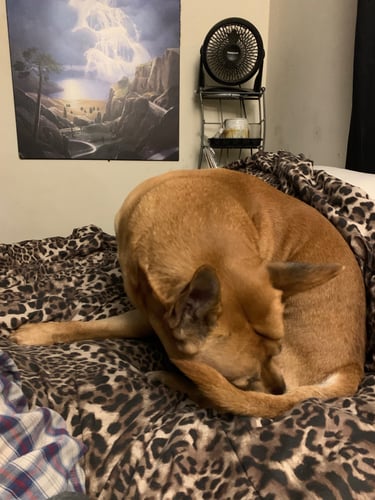
The Instinctual Nature of Licking in Dogs
Licking is an intrinsic behavior observed in dogs that can be traced back to their early developmental stages, particularly during their time as puppies. In the animal kingdom, this action serves multiple purposes and is often a fundamental part of their instinctual behavior. For young pups, licking is vital for survival; it not only promotes bonding with their mother but also stimulates her to provide them with essential care. This early licking behavior fosters a sense of security and comfort, equipping puppies with a crucial foundation for social interaction and attachment.
Beyond mere survival, licking provides dogs with emotional satisfaction. The action releases endorphins, which are natural chemicals that produce feelings of pleasure and relaxation. This endorphin release is a significant reason why dogs might lick themselves, their owners, or other animals; it offers a comforting sensation that can alleviate stress or anxiety. Consequently, licking can be viewed as a means for dogs to self-soothe, enhancing their emotional well-being.
Moreover, licking plays a role in strengthening bonds within their social groups. When dogs lick each other, it is often a sign of affection and submission, which reinforces social hierarchies and networks. Therefore, licking can also be seen as an instinctive behavior that helps to maintain harmony within their pack. This behavior transcends mere instinct, enveloping various social and emotional aspects that define canine interactions.
In essence, licking is not just an arbitrary action; it is deeply rooted in the instinctual framework of dogs. Understanding these motivations behind licking behavior enhances our insight into their emotional needs and reinforces the significance of positive interactions in their lives.
Exploration Through Taste and Smell
Dogs are naturally inquisitive creatures, and their primary mechanism for exploring the world around them often involves the use of their mouths. This behavior is deeply rooted in their sensory perception, particularly through taste and smell. When dogs lick, they are engaging in a form of exploration that provides them with a wealth of information about their environment. Many dog owners have noticed that their pets are often drawn to lick human skin. This behavior can be attributed to the salty residue left by sweat, as well as fragrances from lotions, soaps, or food particles that might cling to the skin after meal times.
The keen sense of taste in dogs is complemented by their exceptional olfactory capabilities. When licking, a dog can capture scent molecules along with taste, creating an integrated sensory experience. This can often prompt the dog to lick excessively if they notice a scent or flavor that intrigues them. For example, any remnants of food, skin creams, or even pheromones can evoke licking as dogs attempt to gather more information about these stimuli.
In addition to investigating scents and tastes, licking can serve as a form of communication or affection towards their human companions. This behavior is not simply a matter of curiosity but can also be viewed as part of their social behavior. Dogs may lick their owner's skin as a way to bond, seek attention, or show affection. Therefore, while the act of licking might initially seem like a simple or amusing quirk, it is indeed a complex behavior driven by a dog’s innate desire to explore and understand their surroundings.
The Attention-Seeking Lick
One of the most interesting aspects of canine behavior is the phenomenon of licking, particularly when it comes to seeking attention. Dogs are highly perceptive creatures, adept at reading human body language and cues. Over time, many dogs quickly learn that licking their owners can elicit a predictable response, such as laughter, petting, or verbal praise. These positive reactions can reinforce the behavior, leading to a cycle where the dog continues to lick in search of further attention.
This association can begin quite early in a dog's life. Puppies often lick their mothers as a natural behavior, seeking comfort and attention. As they grow, they may realize that licking humans can have similar effects, thus establishing a link between licking and receiving care or affection. In household dynamics, this behavior can manifest itself when the dog licks the hands or face of family members, especially if they receive immediate rewards for doing so.
Additionally, the intensity of the response from the owner can play a crucial role in this conditioning. If a dog licks its owner and, in turn, gains attention through laughter or physical touch, the dog is likely to repeat the licking behavior, expecting a similar reaction in the future. This creates a reinforcement cycle where the dog learns that licking is an effective method for gaining attention. It emphasizes the importance of understanding how our reactions can shape dog behavior.
Moreover, certain verbal commands like "kiss" or affectionate phrases can inadvertently encourage licking. Dogs are intelligent animals who thrive on social interaction, and if their licking results in positive reinforcement, it can lead to an increase in this behavior. Thus, being mindful of how we respond to our dogs' licking can influence how frequently they exhibit this attention-seeking behavior.
Licking as a Self-Soothing Mechanism
Dogs often lick as a way to calm themselves, a behavior commonly associated with various forms of anxiety or stress. In many cases, excessive licking serves as a self-soothing mechanism, providing comfort during unsettling situations. This can become especially prominent in dogs that experience separation anxiety, which is triggered when they are left alone. Similarly, dogs may lick their paws or other body parts when they are bored or need mental stimulation. In these contexts, licking may serve as an outlet for pent-up energy, engaging their minds and distracting them from unpleasant feelings.
Certain breeds may be more predisposed to compulsive licking, particularly if they are known for higher anxiety levels. For example, terriers often exhibit this behavior, especially when they feel uncertain about their environment. Furthermore, environmental factors, such as changes in routine, can exacerbate this behavior. A new pet in the household or relocation can lead to behaviors like licking as they adjust to their new circumstances. As a result, understanding the triggers behind excessive licking can be paramount for dog owners seeking to mitigate this behavior.
It is important to differentiate between normal grooming and compulsive licking. While occasional licking is typical for dogs as part of their grooming routine, excessive licking can lead to skin irritations, infection, or even emotional distress. If the behavior becomes a compulsion, characterized by persistent licking despite no obvious physical issues, it may require intervention from a veterinarian or animal behaviorist. Recognizing the context in which licking escalates is essential, as addressing the underlying causes can often lead to a reduction in this behavior and promote a more relaxed state for the dog.
Understanding Submissive Licking
Submissive licking is a behavior observed in various dog breeds, indicative of a dog's respect or deference towards another dog or its human handler. This act can be traced back to the social structures found within canine packs. In the wild, dogs establish a hierarchy to maintain order and reduce conflict. Licking serves as an important signal in these interactions, helping to reinforce social bonds.
When a dog approaches another member of its pack or an owner and begins to lick them, it is often a demonstration of submission. This behavior signifies that the dog acknowledges the other as a leader or a dominant figure, thereby establishing a non-threatening interaction. Such submissive behaviors are crucial, particularly in environments where multiple dogs interact, as they help to prevent potential conflicts and assert each individual's place within the pack hierarchy.
In addition to reinforcing social bonds, submissive licking can serve as a means of communication. Dogs that lick may be expressing their affection, seeking attention, or attempting to appease a human or another dog perceived as more dominant. This form of licking can originate from a variety of situations, often associated with the owner returning home or after a moment of tension, such as discipline. It's essential for owners to understand that this behavior is typically grounded in respect rather than an attempt to convey aggressive or negative intent.
Additionally, submissive licking might reduce anxiety in dogs, contributing to a sense of security within their environment. This instinctive action, rooted in their ancestry and behavior, illustrates how dogs communicate not only with each other but also with their human companions. Understanding submissive licking as a part of canine socialization can enhance the bond between dogs and their owners, fostering a more harmonious cohabitation.
When Licking Becomes a Concern
While licking is a natural behavior in dogs, it is critical for dog owners to recognize when this behavior may become excessive or concerning. A sudden increase or change in licking habits can indicate underlying issues that warrant attention. For instance, dogs may lick excessively due to pain; they often target areas that are sore or inflamed. If a dog begins to lick a specific part of its body continually, this could signal discomfort or an injury that may require veterinary evaluation.
Allergies are another common cause of increased licking. Dogs may lick their paws, legs, or body in response to allergens such as pollen, dust, or certain foods. Owners should be attentive to any other signs of allergies, such as redness, swelling, or scratching, which may accompany this behavior. If these symptoms are present, it is advisable to consult with a veterinarian to identify the specific allergens and to develop an appropriate treatment plan.
Dental issues can also manifest through excessive licking, particularly if a dog has gum disease or painful teeth. In such cases, dogs may lick their lips or the air frequently, indicating that something is amiss in their oral health. Regular dental check-ups can help prevent these issues from escalating and ensure that a dog's mouth remains healthy.
Monitoring changes in licking behavior is essential for dog owners. If a dog’s licking becomes persistent or obsessive, it may be necessary to seek professional advice. Behavioral issues could arise from boredom or anxiety, both of which can be treated through positive reinforcement and training techniques. In conclusion, being vigilant about one's pet's licking habits is vital for maintaining their overall health and well-being.
Managing and Redirecting Licking Behavior
Managing and redirecting a dog's licking behavior can often be achieved through a series of well-structured training methods. It is imperative for pet owners to understand that licking, while a natural behavior for dogs, can sometimes become excessive or bothersome. Thus, implementing positive reinforcement techniques will prove vital in modifying this conduct.
Firstly, it is essential to identify the triggers that lead to the licking. Observing the situations in which your dog tends to lick can provide valuable insights. For instance, if licking occurs when a pet owner is undergoing stress, the dog may be reacting to their owner's emotional state. In such cases, enhancing your dog's environment to promote calmness can be beneficial. This includes creating a serene space with toys, reducing loud noises, and practicing relaxation techniques.
Once the triggers are identified, one effective method is to consistently ignore unwanted licking. When a dog engages in this behavior, simply turn away or remove your attention. It is crucial not to inadvertently reinforce the behavior with attention, even if negative. Following this, once the dog remains calm without licking, rewarding this desirable behavior with praise or treats reinforces the idea that calmness yields rewards.
Another approach is redirecting the licking to a more appropriate behavior. This can be achieved by providing chew toys or engaging the dog in interactive play whenever they demonstrate a tendency to lick. Engaging them in such activities not only reduces licking but also fosters a stronger bond between the pet and owner.
Ultimately, consistency, observation, and positive reinforcement are key to effectively managing licking behavior in dogs. Each dog is unique, and patience is often essential as they learn and adapt to new behavioral expectations.