Understanding Separation Anxiety in Dogs
Learn about separation anxiety in dogs and how behaviors like crying and howling can indicate their distress when left alone. Discover effective strategies to help your furry friends cope with separation.
Tank 🐕 and Buddy 🦮
5/25/20267 min read


Understanding Separation Anxiety in Dogs
Separation anxiety in dogs is a behavioral condition characterized by excessive distress exhibited by a dog when separated from its owner or caregiver. It manifests in various ways, including vocalization, destructive behavior, and attempts to escape. Understanding these symptoms is crucial for identifying the condition early and implementing effective strategies for management.
The primary indicators of separation anxiety can vary widely. Common signs include barking or howling when left alone, excessive drooling, urination or defecation in the home, and destructive behavior such as chewing furniture or scratching doors. Importantly, these behaviors are not merely acts of rebellion or stubbornness; they reflect the dog’s psychological struggle with feelings of fear and abandonment.
There are several underlying causes for this condition, most notably insufficient socialization during the puppy stage, past traumatic experiences, or a change in routine or environment. Dogs who are overly dependent on their owners are also more susceptible. This emotional issue often arises from a lack of confidence, which may result from various factors such as being adopted from a shelter or experiencing a sudden loss in the family.
Distinguishing separation anxiety from other behavioral problems is essential for crafting a proper response. Unlike simple boredom or acting out for attention, separation anxiety is a specific emotional disorder needing tailored treatment approaches. Understanding the nuances of separation anxiety not only benefits the dog but also strengthens the bond between the owner and pet.
Signs That Your Dog May Have Separation Anxiety
Understanding the signs of separation anxiety in dogs is crucial for pet owners. Separation anxiety occurs when a dog becomes distressed upon the departure of their owner. One telling sign is vocalization, which may include incessant barking, whimpering, or howling. For example, dogs Tank and Buddy often express their anxiety by crying when we leave, then howling and making all kinds of weird noises when we return. This behavior serves as a strong indicator of his discomfort when alone.
In addition to vocalization, destructive behavior can be another sign of separation anxiety. Dogs like Tank may chew on furniture, scratch at doors, or dig, all as a means of coping with their distress. Such actions typically occur shortly after their owner has left, further emphasizing the connection between the absence and the dog’s behavioral responses.
Another indication of separation anxiety is a dog’s excessive greeting behaviors. Upon their owner's return, anxious dogs may jump, bark excessively, or even urinate as a frantic display of relief and excitement. In Tank’s case, he howls with notable intensity, signaling not just joy at his owner’s arrival but also the heightened anxiety experienced during separation.
It is important to differentiate between typical attachment behaviors and signs of distress. While some degree of attachment is normal in dogs, separation anxiety manifests as extreme distress and panic when left alone. Signs of distress include pacing, panting, and inability to settle, which may differ from a simple desire for companionship. Recognizing these behaviors can help dog owners identify whether their pet is experiencing separation anxiety, allowing them to seek appropriate help.
Ways to Help Your Dog Cope with Separation Anxiety
Separation anxiety is a prevalent issue among dogs, affecting their behavior and emotional well-being when left alone. Fortunately, there are effective strategies that pet owners can employ to help their canine companions cope with this distressing experience. One of the most effective methods is gradual desensitization, which involves slowly acclimating the dog to being alone. This can be achieved by starting with short absences and gradually increasing the duration over time, allowing the dog to build confidence and reduce anxiety associated with separation.
Creating a safe and comforting environment is also crucial in managing separation anxiety. Setting up a designated area for the dog with their bed, toys, and familiar scents can help them feel more secure. Incorporating relaxing background sounds, such as soft music or ambient nature sounds, may also contribute to a calming atmosphere. Additionally, leaving behind an item of the owner's clothing or a comforting toy can provide the dog with a sense of security in the owner's absence.
Training techniques can further aid in alleviating separation anxiety. Establishing a routine can help the dog feel more at ease, as predictable schedules foster a sense of stability. Teaching the dog basic commands and gradually rewarding calm behavior during departures and arrivals can foster positive associations with being alone. In some cases, enlisting the help of professionals like dog trainers or veterinarians may be necessary, especially for dogs experiencing severe anxiety. These experts can provide tailored training or behavioral therapy options, and even assess if medication may be beneficial in managing the condition effectively.
When to Seek Professional Help
Separation anxiety can significantly impact a dog’s quality of life as well as that of their owner. Understanding when to seek professional help for a dog suffering from this condition is essential. Signs that indicate professional intervention might be necessary include extreme reactions, such as persistent barking or howling, destructive behavior when left alone, or inappropriate elimination in the home. If your dog displays these behaviors consistently, it may be time to consult a veterinarian or a certified animal behaviorist.
Professionals can provide a thorough assessment of your dog’s specific needs and behavioral patterns. Behavioral therapy is a common course of action and can involve techniques such as desensitization and counter-conditioning. This type of training gradually teaches your dog to tolerate alone time without experiencing anxiety. A professional can also introduce structured routines and exercises to help your dog feel more secure when left alone.
In some cases, behavioral therapy may not be sufficient on its own, especially in severe instances of separation anxiety. In such scenarios, medication may be recommended. Consultations with a veterinarian can help determine if medication is appropriate, and if so, which type would be most effective for your dog. The use of medication can be particularly beneficial in conjunction with behavioral therapy, as it may help to reduce anxiety levels, making it easier for the dog to cope with training exercises.
It is crucial for both the dog’s and the owner's well-being to address the issue of separation anxiety promptly. Delaying professional help could exacerbate the problem, making it more challenging to resolve. By seeking assistance early, you can create a plan tailored to your dog’s needs, fostering a more harmonious living environment.
Addressing Separation Anxiety with CBD Oils: A Practical Approach
Separation anxiety is a common issue among dogs, manifesting as excessive barking, destructive behavior, or even physical distress when left alone. A practical approach to alleviate these symptoms can involve the use of CBD oils. Cannabidiol (CBD), a non-psychoactive compound derived from hemp, has shown promise in reducing anxiety in dogs, making it a valuable tool for pet owners seeking relief for their anxious companions.
When considering the use of CBD oils, it is essential to start with appropriate dosage recommendations. Generally, the recommended dosage ranges from 1 to 5 milligrams of CBD per 10 pounds of body weight. It is advisable to begin with a lower dosage to assess tolerance and effectiveness, progressively increasing it until the desired calming effect is achieved. Always consult with a veterinarian before starting any new treatment to ensure safety and appropriateness for your dog's specific needs.
Administering CBD oil can be done in several ways, appealing to both pet and owner preferences. Many dog owners prefer to mix CBD oil with food or treats; others may apply it directly into their dog’s mouth. The latter offers the potential for quicker absorption, while the former can aid in masking the taste, which some dogs may find unpalatable.
Integrating CBD oil into your dog’s daily routine can be enhanced by creating a structured environment. Alongside CBD, incorporating training sessions, environmental enrichment, and behavioral modification can offer a holistic approach to mitigating anxiety. Consistent routines and strategies allow dogs to feel secure, which may further enhance the effects of CBD oil on their separation anxiety.
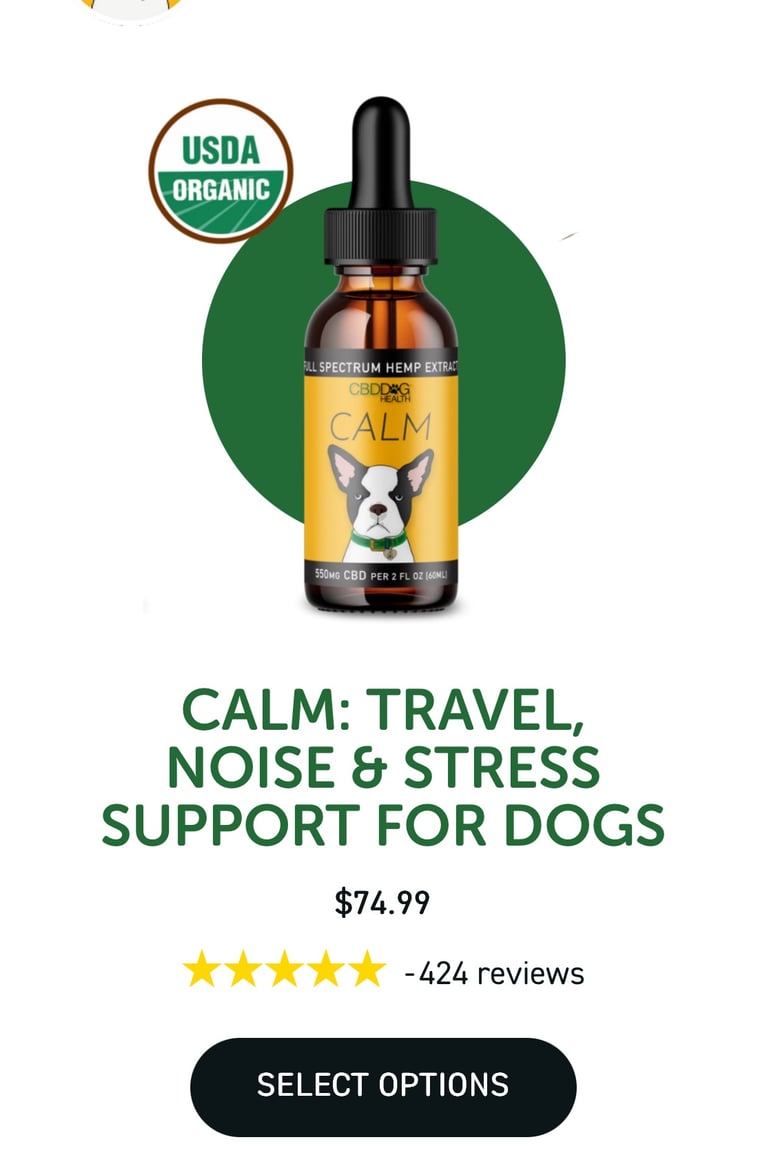
CBD Dog Health
A Trusted Source for Your Pet's Needs
When it comes to supporting your dog in managing separation anxiety, choosing a reputable source for CBD oil is paramount. CBD Dog Health stands out as a trusted supplier specializing in high-quality CBD oils formulated specifically for dogs. Their products offer a natural alternative for pet owners looking to ease their furry friends' anxiety-related issues.
One of the key elements to consider when selecting a CBD oil is product quality. CBD Dog Health focuses on using organically grown hemp, ensuring that their oils are free from harmful chemicals and pesticides. This commitment to quality means that pet owners can rest assured knowing they are providing their dogs with a safe and beneficial product.
Sourcing transparency is another essential aspect of CBD Dog Health. Each product comes with a detailed breakdown of its ingredients, allowing customers to see exactly what they are giving to their pets. Knowing that the ingredients are sourced from reputable farms further enhances the credibility of the products, reassuring pet owners about their choices.
Moreover, the success stories shared by satisfied clients serve as testament to the effectiveness of CBD Dog Health products. Many dog owners have reported significant improvements in their pets' anxiety levels, with several noting a marked reduction in signs of distress during separations. These personal testimonials not only reinforce the potential benefits of CBD oil but also provide encouragement for those exploring similar options for their pets.
In summary, when considering CBD oil for your dog’s separation anxiety, selecting a trusted source like CBD Dog Health can make a substantial difference. Their commitment to quality, transparency, and customer satisfaction makes them a reliable choice for pet owners seeking to enhance their dogs' well-being.