
Understanding 'Pee-Mail' in Dog Communication
Discover the fascinating concept of 'pee-mail' in dog communication. Learn how dogs use scent marking to convey important messages to each other through their unique behaviors.
Tank 🐕 and Buddy 🦮
5/9/20264 min read
The Concept of 'Pee-Mail' in Dog Communication
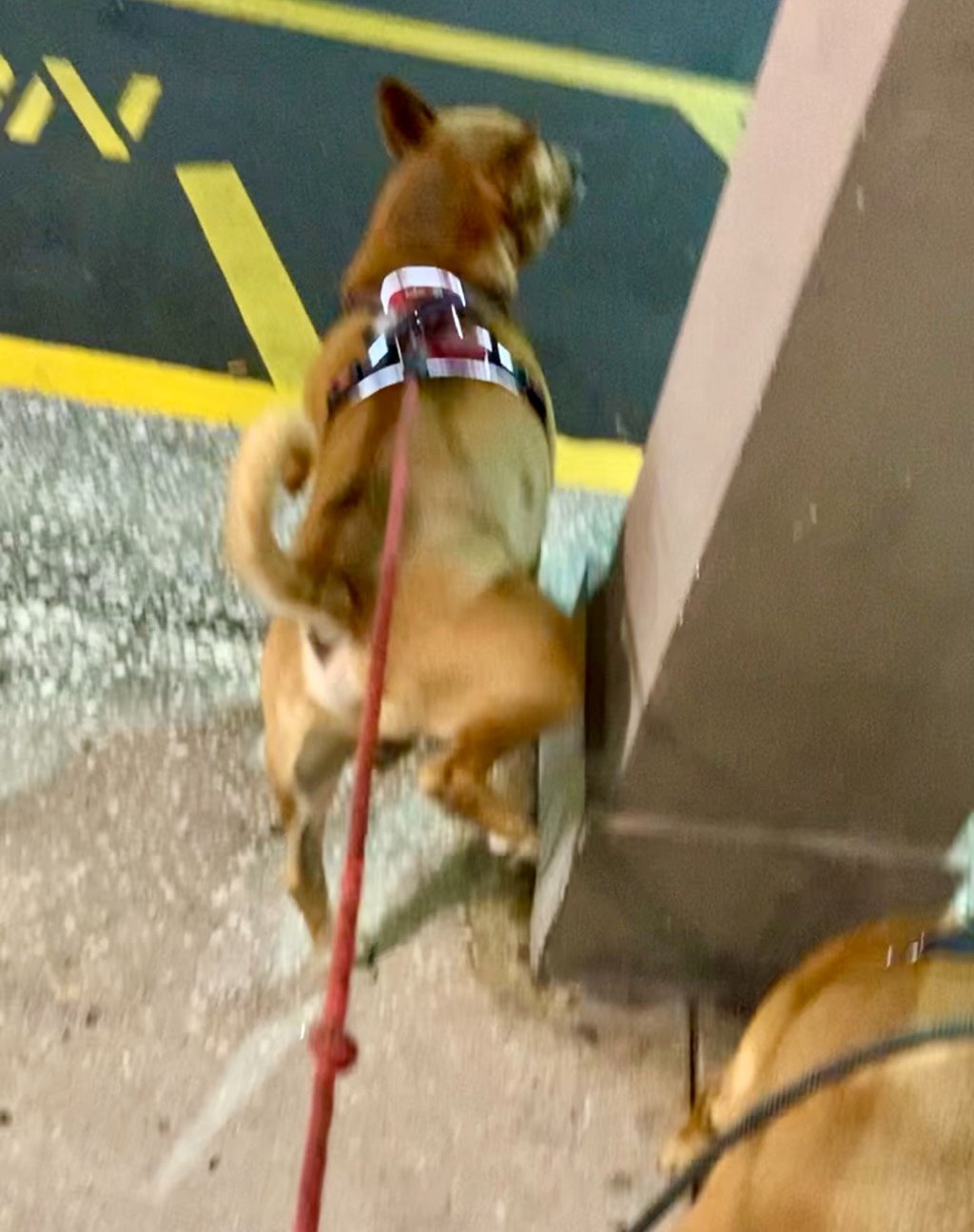
Dogs are social animals, and one of the most intriguing aspects of their communication occurs through scent marking, often referred to as 'pee-mail.' This method involves dogs urinating on various vertical objects, such as mailboxes, trees, and fire hydrants. Each time a dog leaves its mark, it is essentially sending a message to other canines that might come across the same spot later. This phenomenon is not simply a byproduct of physical needs; instead, it plays a vital role in how dogs communicate vital information to each other.
When a dog approaches a scent-marked area, it uses its keen sense of smell to gather information about the previous visitor. The specific smells can convey a wide range of information, including the dog's identity, age, gender, sexual status, and even its health condition. This exchange of information is analogous to reading a social media post, where one can learn much about a person by their shared content. Similarly, in the world of dogs, these marked spots serve the purpose of social interaction, helping them to understand one another's social status and health.
Furthermore, the positioning of urination marks also reveals a hierarchy among dogs. High or elevated markings may suggest dominance, while lower markings might indicate a lesser status in the social structure. Thus, 'pee-mail' is not just a mere biological function but rather a complex language that is vital for their social behavior. In this way, a simple act such as urination becomes a means for dogs to express emotions and share their health updates, effectively fostering social bonds in canine communities.
Why Dogs Prefer Vertical Surfaces for Marking
Dogs exhibit a strong preference for vertical surfaces when it comes to scent marking, a behavior widely known as 'pee-mail'. This inclination can be attributed to several factors that enhance their ability to communicate with other dogs effectively. One primary reason lies in the nature of a dog’s anatomy; when they position themselves to mark a vertical surface, it enables them to elevate the height of their scent. This elevation allows pheromones to disperse more broadly into the air, increasing the likelihood that their message will reach a larger audience.
Furthermore, vertical surfaces are often more advantageous for signature marking. When a dog urinates on such surfaces, the scent may remain intact longer, as it clings to the surface rather than soaking immediately into the ground. This prolonged scent presence facilitates a more significant social communication medium; other dogs can detect these pheromones from a distance and interpret important information regarding territory, health, and reproductive status.
Additionally, other animals typically communicate in similar ways, marking their territories on vertical structures like trees or fences. In many environments, these surfaces can provide a strategic view of their surroundings, allowing dogs to survey their territory while simultaneously leaving their scent. The sensory feedback dogs receive from these elevated scents can strengthen their social bonds and establish hierarchy amongst neighborhood canines.
In summary, understanding the reasons behind dogs' preference for vertical surfaces in scent marking reveals the critical role this behavior plays in canine communication. By leveraging their natural instincts and abilities, dogs are able to convey messages that inform others about their presence and intentions, thus enriching their social interactions within canine communities.
Territorial Marking: More Than Just a Claim of Territory
Territorial marking in dogs, often referred to as 'pee-mail,' is a complex behavior that encompasses much more than a mere assertion of territory. While conventional wisdom may suggest that marking is rooted primarily in aggression or a need to defend a space from intruders, recent studies reveal a more nuanced understanding of this instinctive practice. Dogs engage in marking as a form of communication, conveying vital social information to other canines.
One of the primary reasons dogs mark their territory is to communicate their presence to other dogs in the vicinity. Urine contains pheromones and other scent compounds that provide detailed information about the individual, including sex, reproductive status, and possibly health. This chemical messaging allows dogs to identify potential mates or rivals, and might even function as a way to establish social hierarchies without direct confrontations. By leaving their scent, dogs can indicate to others that they have been in that area, thereby reducing the likelihood of conflict.
It is important to note that territorial marking does not equate to an inherently aggressive disposition. Research indicates that many dogs engage in this behavior despite not displaying aggressive traits. For instance, younger dogs or those who have not yet established a strong territory may mark frequently as a way to assert themselves socially among unfamiliar environments. Furthermore, marking can occur in various situations: during walks, at the dog park, or even in the home when there are new visitors or pets, which suggests that it is motivated by curiosity and social exploration, rather than just a defense mechanism.
Understanding the context and motivation behind territorial marking is essential for pet owners seeking to interpret their dogs’ behaviors accurately. As highlighting non-aggressive tendencies through this practice becomes clearer, it encourages a more empathetic view of how dogs navigate their social world.
The Ideal Height of Fire Hydrants and Their Role in Dog Behavior
Fire hydrants serve as an iconic and popular object for dogs, particularly when it comes to scent marking. Their height and design align with the natural behaviors exhibited by canines, allowing them to effectively communicate through their urine. Typically, fire hydrants are around 18 to 24 inches tall, a height that is particularly suitable for dogs, especially male dogs, to comfortably lift their leg while maintaining balance and control. This convenient height plays a crucial role in facilitating the marking behavior that is inherent in dog social interactions.
For dogs, scent marking is an essential behavior utilized to establish territory, show dominance, and convey information about their presence in a given area. The elevation of a fire hydrant allows dogs to access a vertical space to deposit their scent, which is crucial for signaling to other dogs in the vicinity. Since dogs rely heavily on their sense of smell, the unique position of the hydrant heightens its appeal, giving it an advantage over lower objects. By marking these structures, dogs communicate the relevant social cues to other canines that frequent the same environment.
Moreover, the act of scent marking at the height of a fire hydrant can sometimes indicate social status or dominance among dogs. In a neighborhood filled with competing canine populations, a dog that marks higher is, in a sense, asserting itself more boldly in its environment. This behavior can escalate among male dogs, who often engage in more frequent marking to establish hierarchies, particularly during walks or when encountering new dogs. Therefore, the physical characteristics of fire hydrants not only make them appealing to dogs but also serve an important purpose in the broader context of canine behavior and territoriality.