
Understanding Dogs Circadian Rhythms
Explore the fascinating world of dogs circadian rhythms and how they influence dogs' sleep-wake cycles, feeding behaviors, and overall health. Learn how to align your dog's routine with their biological processes for better wellbeing.
Tank 🐕 and Buddy 🦮
6/5/20268 min read

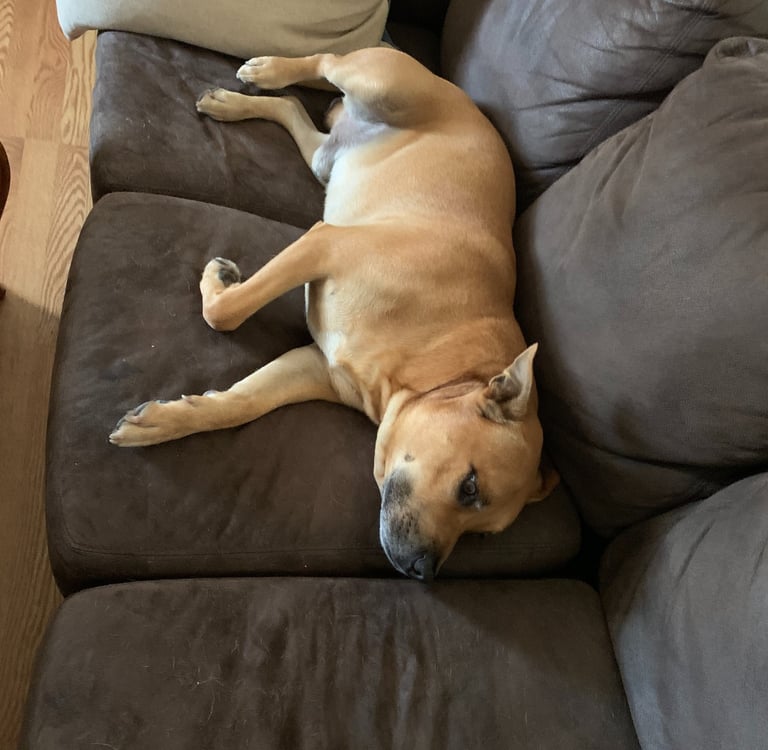
Understanding Circadian Rhythms in Dogs
Circadian rhythms are intrinsic biological processes that display a regular cycle, typically lasting around 24 hours. These rhythms are governed by the body’s internal clock, known as the suprachiasmatic nucleus (SCN), which is located in the hypothalamus of the brain. Both humans and dogs exhibit circadian rhythms that influence their sleep-wake cycles, feeding behaviors, and various physiological processes.
In dogs, the circadian rhythm is closely aligned with their owners’ routines. Factors such as daylight duration and household activity levels can profoundly affect a dog’s internal clock. Just as humans prepare for sleep at night by winding down, dogs also have their own signals that prompt them to rest, such as reduced activity and increased tranquility. Regular routines, including consistent feeding times and play schedules, can help reinforce a dog’s circadian rhythms, thus promoting better overall health.
The biology behind these rhythms involves complex interactions between hormones and neurotransmitters. For example, melatonin, a hormone secreted by the pineal gland, plays a pivotal role in regulating sleep patterns. In dogs, levels of melatonin rise naturally in the evening as light diminishes, encouraging sleep. Conversely, in the morning, as light increases, stress hormones like cortisol are elevated, facilitating wakefulness and alertness.
While both species share similar circadian mechanisms, differences exist in how they perceive time and light. Dogs, with their heightened sensitivity to environmental cues, may be more reactive to shifts in human activities than humans may recognize. Understanding these rhythms is essential: not only does it shed light on canine behavior, but it also emphasizes the importance of harmonizing human routines with those of dogs to enhance their overall well-being and behavior.
The Connection Between Dog Owners and Their Pets
Recent studies have highlighted a fascinating connection between dog owners and their pets, revealing how closely dogs can align their physiological functions with those of their human companions. One intriguing aspect of this synchronization is how dogs can biologically adjust their circadian rhythms to match those of their owners. Given that both humans and dogs are social animals with varying daily routines, this adaptation seems to stem from an innate desire for companionship and harmony.
Canines are highly observant creatures capable of detecting subtle changes in their owner’s behaviors and moods. This ability allows dogs to adapt their own routines to maintain a sense of normalcy in their environment. For instance, if a dog’s owner typically wakes up at 7 AM for work, it is likely that the dog will also develop a habit of waking at that time. Such synchronization extends beyond simple schedules; dogs often mirror the stress levels exhibited by their owners. This phenomena can lead to a more streamlined flow of daily activities, as dogs rely on their owners' cues to navigate through their day.
Moreover, when owners experience heightened stress, their dogs may display behavioral changes that reflect this emotional landscape. Increased barking, restlessness, or clinginess are common signs indicating a dog sensing its owner's stress. Conversely, a calm and balanced owner tends to foster a similar state in their dog. The bond formed through these shared experiences is significant, not only reinforcing the companionship between humans and dogs but also showcasing how intertwined their lives truly are.
In light of these findings, it becomes evident that the habits and emotional states of dog owners not only shape their own routines but also profoundly influence the behavior and sleep patterns of their canine companions. This mutual synchronization underscores the importance of mindfulness in maintaining a healthy environment for both humans and dogs alike.
How Human Lifestyle Affects Canine Sleep Quality
The quality of sleep that dogs experience is significantly influenced by the habits and routines of their human companions. Just as humans may find their sleep disrupted by external factors, so too do our canine friends. Stress, for example, is one of the primary contributors to poor sleep quality in dogs. If a household is often filled with tension—whether from arguments, loud noises, or even the hustle and bustle of everyday life—dogs can pick up on this stress. Their sensitive nature allows them to perceive and often mirror these emotional states, leading to increased anxiety levels that can disrupt their sleep.
Furthermore, exposure to light plays a pivotal role in canine sleep patterns. Dogs are naturally inclined to rest during the night and be active during the day, driven by their circadian rhythms. However, erratic human schedules—characterized by late-night activities, bright screen usage, or insufficient evening calm—can confuse these rhythms. For instance, if a dog is accustomed to winding down at a specific time but is kept awake by the activities of their owners, it can lead to disturbances in their sleep cycles. This inconsistency directly affects not just sleep quality but also their overall mood and behavior throughout the day.
Another factor to consider is the irregularity of daily routines. Dogs thrive on consistency; a set feeding schedule, defined playtimes, and predictable walks contribute to a sense of security. When these routines vary significantly from day to day, it can create uncertainty, leading to stress and disrupted sleep. In essence, the way humans navigate their daily lives—through their levels of stress, exposure to light, and maintenance of routine—bears a considerable impact on their dogs’ sleep quality and, by extension, their behavior and well-being.
Symptoms of Disrupted Routines in Dogs
Recognizing the signs of disrupted routines in dogs is crucial for pet owners seeking to support their canine companions. Numerous indicators may suggest that a dog is experiencing disturbances in their daily routine, leading to potential issues with sleep and behavior. One common symptom is night waking, where dogs exhibit restlessness at night, frequently getting up or whining. This can be caused by changes in the owner's schedule, reduced exercise, or anxiety about their environment.
Increased anxiety is another telltale sign that a dog’s routine has been disrupted. Dogs become anxious due to unpredictability in their daily lives, which may manifest in various ways—for instance, excessive barking, destructive behavior, or withdrawal from usual activities. Changes in the owner’s behavior or routines can exacerbate this anxiety, highlighting the importance of consistency in training and daily interactions.
Moreover, alterations in behavior, such as decreased interest in play or changes in eating habits, may occur. A dog that suddenly refuses to eat or shows disinterest in walks is often signaling that something is off in their environment. These shifts could literally come from any variations in their caregivers' habits, including irregular feeding times or less frequent social interactions.
Pet owners should also watch for physical signs, such as changes in posture or increased aggression, as these can reflect stress and discomfort related to disrupted routines. Recognizing these symptoms early on enables dog owners to address the underlying issues and help restore a sense of stability and security for their pet.
The Importance of Consistency in Daily Routines
Establishing consistent daily routines for dogs is vital for their overall well-being and behavior. Just like humans, dogs thrive on predictability and structure. A stable routine enables them to anticipate their needs, leading to better emotional and mental health. When dogs experience regular patterns in their daily lives, such as consistent feeding times, walks, and play sessions, they develop a sense of security that directly influences their behavior and sleep patterns.
Incorporating calming morning and evening habits serves to align a dog's internal clock, which can enhance their ability to relax and adjust to favorable sleeping patterns. For example, starting the day with a calming ritual—such as light stretching, a brief walk, or gentle play—can signal to your dog that it is time for activity. Conversely, implementing an evening routine that includes winding down activities, such as a soothing cuddle session, helps signal that it is time to rest. These routines not only foster a bond between the owner and the dog but also promote a tranquil environment conducive to restorative sleep.
Creating a stable environment involves being proactive and intentional about these routines. Owners should identify specific times for feeding, bathroom breaks, and exercise to maintain consistency. This predictability allows dogs to self-regulate their behaviors more effectively. Additionally, ensuring that your dog has a comfortable, designated sleeping area can enhance their ability to settle down at night. By providing a consistent and calming atmosphere, owners greatly impact their dog’s behavior and sleep quality, ultimately leading to a happier and healthier canine companion.
Tips for Restoring Your Dog's Internal Clock
Establishing a healthy routine for your dog is essential in maintaining their internal clock, which plays a significant role in their overall well-being. One of the most effective methods to achieve this is through consistent training. Training sessions should be carried out at the same times each day to foster a sense of predictability. This not only helps in reinforcing good behavior but also aligns your dog's natural rhythms with your daily activities.
Another critical aspect of restoring your dog’s internal clock is ensuring regular exercise. Dogs, like humans, benefit greatly from physical activity, which can help them expend energy and promote better sleep. Aim for daily walks or play sessions during set times, which will help your dog understand when it is time to be active and when to rest. Additionally, incorporating varied activities can keep your dog mentally stimulated, further supporting their overall health.
Feeding schedules are equally important. Dogs thrive on routine, and feeding them at the same time each day can greatly improve their digestive health and sleep patterns. It is advisable to provide balanced meals based on your dog's dietary needs and energy levels as it directly influences their sleep quality and behavior.
Lastly, creating a conducive sleep environment is vital. A comfortable, quiet, and cozy designated sleep area can significantly enhance your dog's ability to relax and rest. Ensure this space is away from household disturbances and equipped with comfortable bedding. By addressing these elements systematically, you will greatly assist your canine companion in re-establishing a healthy routine, ultimately leading to improved sleep and behavior. Regularly evaluating and adjusting your approaches may be necessary to optimize your dog’s routine for better results.
Case Studies and Expert Opinions
Understanding how human routines impact canine behavior and sleep can be further elucidated through various case studies and expert opinions. Veterinarians and animal behaviorists have long observed correlations between human habits and dog demeanor, shedding light on the need for harmonious routines.
One notable case involved a Labrador named Buddy, who exhibited signs of anxiety and disrupted sleep patterns. His owner, Susan, worked long hours and often returned home late, leading to Buddy's inconsistent feeding and play schedules. Upon consulting with a veterinary behaviorist, Susan was encouraged to establish a more regular routine that included set meal times, walks, and designated play periods. As Susan adhered to this structured regime, Buddy's anxiety levels diminished, and his sleep improved significantly. This anecdote illustrates how human behaviors can severely influence canine wellbeing.
Expert opinions further validate these findings. Dr. Emily Thompson, a well-respected veterinarian, asserts that dogs thrive on predictability. She emphasizes how routine influences both behavioral tendencies and physiological responses in dogs. "When dogs recognize their environment and schedule, they experience less stress and anxiety," Dr. Thompson explains. Moreover, she points out that consistent routines not only foster better sleep quality but also enhance overall obedience and sociability in dogs. In her clinical practice, many owners have reported substantial improvements in their pets' behaviors after implementing structured routines.
Furthermore, a longitudinal study published in the Journal of Veterinary Behavior supports these observations, concluding that dogs belonging to owners with established routines exhibited more balanced temperaments compared to those raised in erratic environments. Together, these case studies and expert insights underscore the profound impact of human habits on dog behavior, advocating for a mindful approach to routine organization for the benefit of both pets and their owners.