
Understanding Dog Panting: Causes and Concerns
Discover why dogs pant and what it means for their health. Learn about the main reasons for dog panting, including heat regulation, exercise, excitement, and stress. Find out when to be concerned about excessive panting and when to consult a veterinarian for potential health issues.
Tank🐕
5/13/20264 min read
The Physiology of Dog Panting
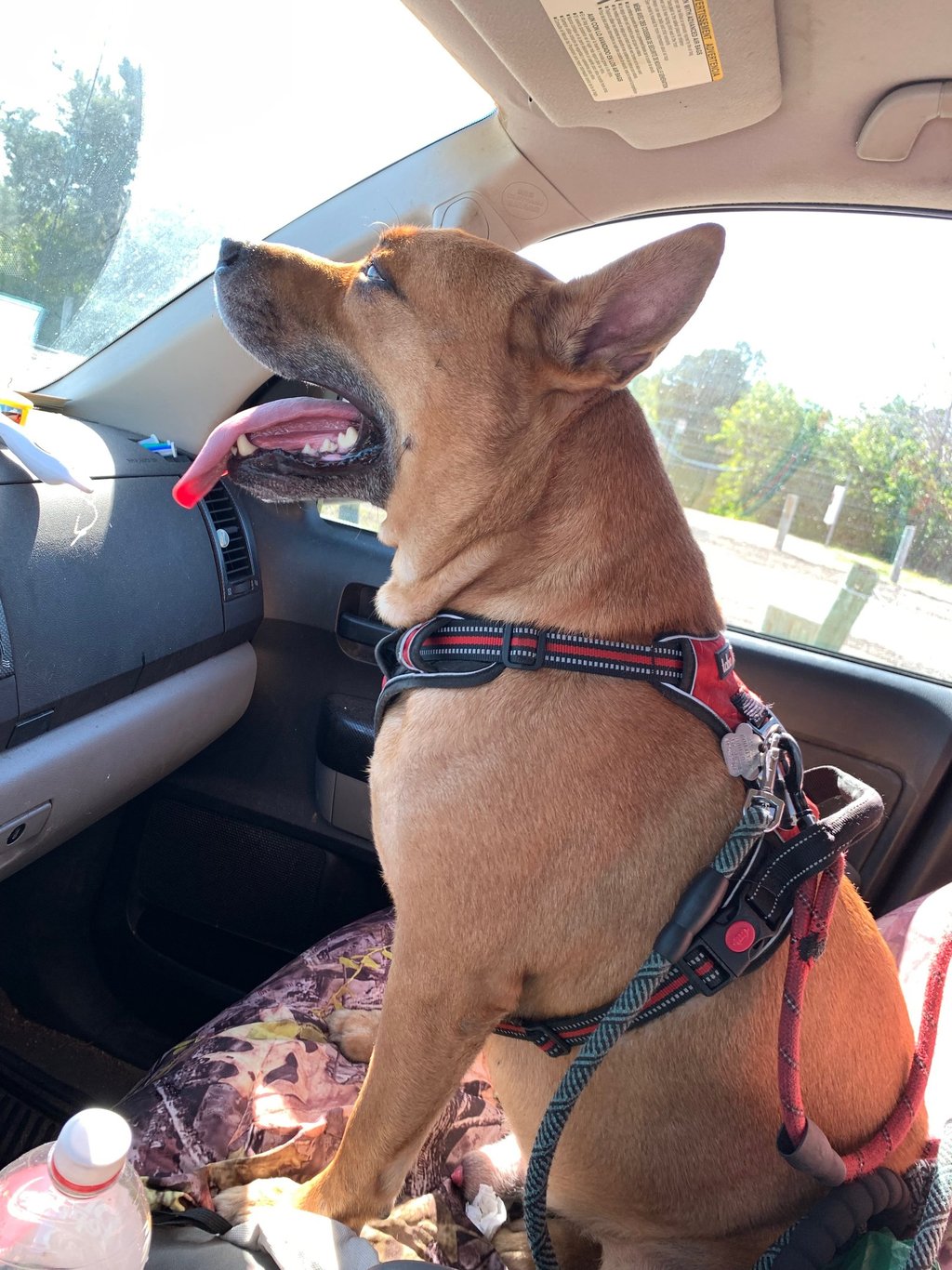
Panting is a common physiological response in dogs, primarily serving as a vital mechanism for thermoregulation. Unlike humans, who sweat through their skin, dogs rely on panting to help regulate their body temperature. This process involves the rapid inhalation and exhalation of air, which facilitates the evaporation of moisture from their tongues, mouths, and lungs. As the moisture evaporates, it effectively cools the blood flowing through the surface tissues, ultimately lowering the dog's overall body temperature.
During normal circumstances, such as after exercise or in hot weather, panting is a healthy and expected behavior. Dogs have a higher baseline body temperature than humans, ranging from 101 to 102.5 degrees Fahrenheit. Consequently, they may begin to pant when their internal temperature rises, signaling to their owners that they need to cool down. The frequency and intensity of the panting can vary based on the dog's size, breed, and conditioning, as well as the environmental conditions. Larger breeds with thick coats may pant more vigorously when they need to dissipate heat.
However, panting can also indicate underlying health issues if it occurs above the normal threshold. For example, excessive panting might signal conditions such as heat stroke, pain, anxiety, or respiratory problems. Thus, it is crucial for pet owners to differentiate between normal and concerning panting behaviors. While panting can be a natural response to various stimuli, consistently heavy breathing or panting at rest can warrant a vet visit for further evaluation. Understanding the nuances of a dog's panting can aid in ensuring their health and well-being, helping owners determine the right course of action when their furry companions exhibit this behavior.
Reasons for Dog Panting
Panting is a common behavior observed in dogs, often acting as a mechanism for heat regulation, exercise recovery, emotional response, or as a reaction to stress. Understanding the causes of panting can help pet owners differentiate between normal behavior and a potential sign of distress.
One of the primary reasons dogs pant is to cool off. Dogs have fewer sweat glands compared to humans, which makes panting an essential tool for thermoregulation. When the temperature rises, or during physical exertion, panting allows dogs to release heat through evaporation. For instance, after a vigorous game of fetch on a warm day, a dog may exhibit heavy panting as its body temperature stabilizes.
Additionally, panting can be a response to excitement or happiness. When dogs engage in pleasurable activities such as playing with their favorite toy or welcoming their owners home, they may pant as a way to express their enthusiasm. In such cases, the panting is generally accompanied by other tail-wagging and playful behaviors, indicating that the dog is in a positive emotional state.
However, panting can also be a symptom of stress or anxiety. Situations such as loud noises, unfamiliar environments, or being left alone may trigger panting as a sign of discomfort. For example, during thunderstorms or fireworks, many dogs will pant excessively, reflecting their anxious state. In such situations, it is crucial for pet owners to recognize the signs of stress and provide comfort as needed.
Understanding these various scenarios of dog panting can empower owners to discern when it is part of normal behavior and when it may warrant further investigation. Observing the context and accompanying behaviors can guide pet owners in providing the necessary care for their furry companions.
Panting is a common behavior in dogs, often associated with physical exertion or rising temperatures. However, it is crucial for dog owners to discern between normal and concerning panting to ensure the wellbeing of their pets. One primary aspect of evaluating panting is to pay attention to the environmental conditions. If a dog begins to pant excessively in cooler surroundings, this can indicate an underlying issue. Excessive panting, particularly when accompanied by other symptoms, should not be ignored.
Additionally, observing a dog's body language is vital in identifying concerning panting. If the panting is accompanied by visible signs of distress, such as restlessness, pacing, or whining, it could signal pain or discomfort. This state may suggest that the dog is experiencing anxiety, fear, or even a medical condition that needs to be addressed. Regular, heavy panting after regular activities, or when they are at rest, is also a red flag for pet owners.
It is important to recognize that certain medications can have side effects, including increased panting. If you've recently introduced a new medication or changed dosages, monitor your dog closely for any alterations in their panting patterns. If excessive or concerning panting persists for more than a few minutes, particularly when coupled with additional symptoms such as lethargy, vomiting, or loss of appetite, it is advisable to seek the guidance of a veterinarian. Prompt consultation with a medical professional can ensure proper assessment and intervention.
Ultimately, being vigilant about your dog's panting habits and correlating them with environmental factors, behavioral changes, and medical histories can provide essential clues about their health. It is better to err on the side of caution when it comes to your dog's wellbeing.
What to Do If You’re Worried
If you find yourself concerned about your dog's panting, it is important to take a systematic approach to understand the underlying causes and determine the appropriate actions. First and foremost, observe the context in which the panting occurs. Consider factors such as temperature, exercise activity, and emotional state. For example, an active dog may pant more after vigorous play, which could be entirely normal.
Next, closely monitor your dog’s behavior for any additional symptoms that may accompany the panting. Look for signs such as lethargy, reluctance to move, vomiting, diarrhea, or unusual vocalizations. This kind of detailed observation can help provide critical information that may assist your veterinarian in diagnosing any potential health issues.
Before reaching out to a veterinary professional, take note of your dog’s vital signs. This includes checking their heart rate, respiratory rate, and temperature. You can do this by gently feeling your dog's heartbeat or using a thermometer specifically designed for pets. Keep a record of these metrics, as they can aid your vet in assessing your pet’s condition.
If your dog continues to pant excessively despite seemingly normal environmental factors and appears to be in distress, it is advisable to contact your veterinarian. Describe your dog’s symptoms, the duration of the panting, and any other behavioral changes you’ve observed. Your vet may suggest an emergency visit or scheduled appointment based on the severity of the symptoms.
After the consultation, follow your vet’s recommendations regarding treatments or lifestyle adjustments. If a medical issue is identified, adhere to the prescribed treatment regimen. However, if the panting is deemed normal, you can take proactive steps to manage your dog’s environment to reduce stress and discomfort, such as providing a cool space and ensuring adequate hydration.