
Understanding Male Dogs Humping Behavior
Discover the reasons behind male dogs humping, including dominance, excitement, and stress relief. Learn effective strategies to manage this behavior when guests visit, ensuring a calm and controlled environment for your dog.
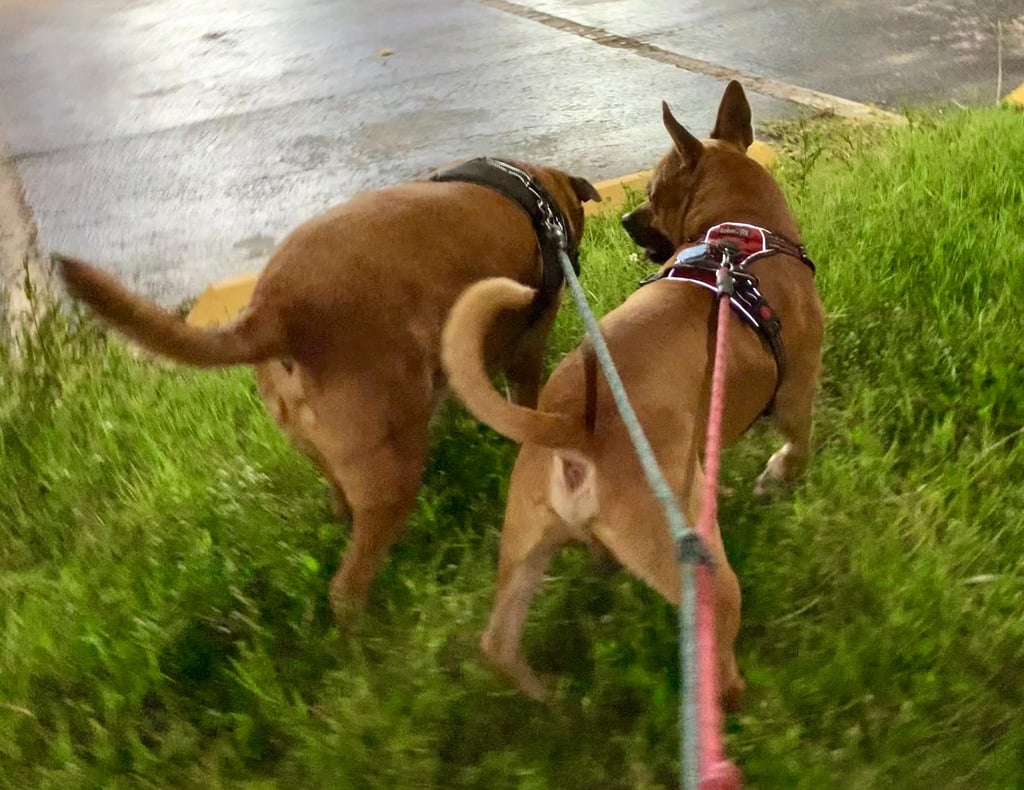
Tank 🐕and Buddy 🦮
8/9/20264 min read
Common Triggers for Humping in Male Dogs
Humping behavior in male dogs can often be perplexing for owners, who may not understand the reasons behind such actions. Various triggers can lead to this behavior, and recognizing them is essential for effective management. One common reason is excitement levels, particularly when a male dog is introduced to new guests at home. The heightened energy from the presence of unfamiliar people can spur humping as a way for the dog to express joy or enthusiasm.
Another significant influence comes from stress and anxiety. A male dog may engage in humping as a coping mechanism whenever exposed to new stimuli. This can include changes in the environment, such as moving to a new house, or the arrival of a new pet. In such situations, humping may serve as an outlet for the dog's nervous energy, providing temporary relief from their discomfort.
Furthermore, humping behavior can also be attributed to displays of dominance among dogs. In social settings, male dogs may use humping to assert themselves over other dogs, signaling their status or attempting to establish a hierarchy. This behavior can sometimes escalate in multi-dog households or in the presence of unfamiliar dogs, requiring careful supervision to prevent unwanted interactions.
Lastly, habitual activity can develop if humping is not addressed early on. What may begin as an isolated incident can morph into a regular behavior pattern, often because the dog learns that it receives attention (whether positive or negative) through this action. It is crucial for pet owners to be mindful of the underlying motivators for humping to effectively manage and mitigate this behavior.
Excitement and Its Impact on Behavior
Humping is a common behavior observed in male dogs, often triggered by excitement, particularly in lively environments such as during the arrival of visitors or when engaging in play. Understanding the psychological and physiological factors that provoke this response is essential for managing the behavior effectively.
Physiologically, a dog’s excitement leads to a surge of adrenaline, which can result in heightened arousal. This state can create an urgency in dogs to express their energy, sometimes through behaviors that may seem inappropriate, such as humping. This physiological response can overwhelm a dog’s ability to calm down, as the excitement effectively alters their mental state, leading to impulsive actions.
From a psychological perspective, humping can also serve as a coping mechanism. In environments filled with stimulating factors, such as new smells, sounds, and the presence of people, male dogs might resort to humping as a way to channel their energy or anxiety. This behavior, although often misunderstood, can be a manifestation of stress relief or an attempt to assert dominance in their surroundings. Understanding this context helps owners to see that the dog is not simply misbehaving but rather responding to emotional stimuli.
Additionally, it is important to recognize that not all humping is sexual in nature. Rather, it often results from excitement or a desire for play, especially in social situations. Education about these triggers can empower pet owners to respond appropriately, providing alternative outlets for their dogs’ pent-up energy. This may include structured playtime, regular exercise, and training to teach calming commands. Thus, recognizing the connection between excitement and humping allows for a more effective approach in managing this behavior.
Effective Strategies to Curb Humping
Managing humping behavior in male dogs can be a challenging experience for pet owners. However, implementing practical strategies can significantly reduce or eliminate this behavior, helping to create a more harmonious living environment. The following methods are designed to address humping effectively and positively.
One of the most immediate strategies is to give the dog a time-out when humping occurs. This can involve briefly removing the dog from the stimulating situation, allowing it to calm down. A time-out not only interrupts the behavior but also teaches the dog that humping will result in a loss of social interaction. Consistency in this approach is key; every time the dog humps, the same response should be applied to reinforce the desired behavior.
Another effective method is redirecting the dog’s focus. When humping begins, owners can utilize commands or engage the dog with toys. For instance, encouraging the dog to sit or fetch a favorite toy can successfully divert its attention away from humping. This technique not only helps lessen the humping behavior but also reinforces positive commands and strengthens the bond between the dog and owner.
Additionally, tiring out the dog before gatherings or when guests are expected can prove beneficial. Regular exercise, such as long walks or play sessions, helps expend excess energy that may contribute to humping behavior. A well-exercised dog is generally calmer and less likely to engage in unwanted behaviors. Therefore, establishing a consistent exercise routine can play a crucial role in reducing humping incidents.
Finally, reinforcing positive behavior is essential. Rewarding the dog when it remains calm during social interactions or when it refrains from humping can encourage the desired behavior over time. Using treats or praise contributes to a positive association with calmness and socializing, a vital step in behavior management.
Creating a Calm Environment for Dogs
Establishing a calm environment is crucial for the well-being of male dogs, especially in the presence of visitors. A chaotic setting can lead to increased stress levels in dogs, which may result in unwanted behaviors such as humping. One effective method to create a peaceful atmosphere is by using baby gates to restrict access to busy areas where distractions or overwhelming stimuli may occur. This not only protects the dog from becoming overstimulated but also helps visitors feel more comfortable around the pet.
Additionally, it is beneficial to provide a designated quiet space where the dog can retreat. This safe haven could be a crate or a cozy corner in the home adorned with their favorite bedding and toys. Ensuring that this space is free from disturbances allows the dog to decompress and feel secure, which is essential for managing their behavior. By facilitating periods of solitude, pet owners can help mitigate stress, thereby reducing the chances of issuing unwanted behaviors associated with anxiety.
The incorporation of structured routines, such as scheduled playtimes and regular walks, plays a vital role in maintaining a serene environment. Dogs thrive on routine, and understanding their needs can further promote calmness. During busy periods, especially when guests are present, providing them with calming toys or engaging activities can serve as a distraction from potential triggers that might cause them to become overexcited.
In conclusion, creating a calm environment for male dogs is fundamental in preventing unwanted behaviors like humping. Utilizing baby gates to limit access to busy areas and offering a secure, quiet space allows dogs to manage their stress levels effectively. These practices will not only enhance the dog's quality of life but will also contribute to a harmonious home environment for both pets and people alike.