
Dogs often choose their favorite person
Dogs often choose their favorite person based on bonding, socialization, and emotional safety. Learn how quality time, energy matches, and consistent care influence your dog's attachment, and discover signs that indicate you may be their favorite human.
Tank 🐕
7/9/20265 min read
The Bond Between Dogs and Their Favorite Person
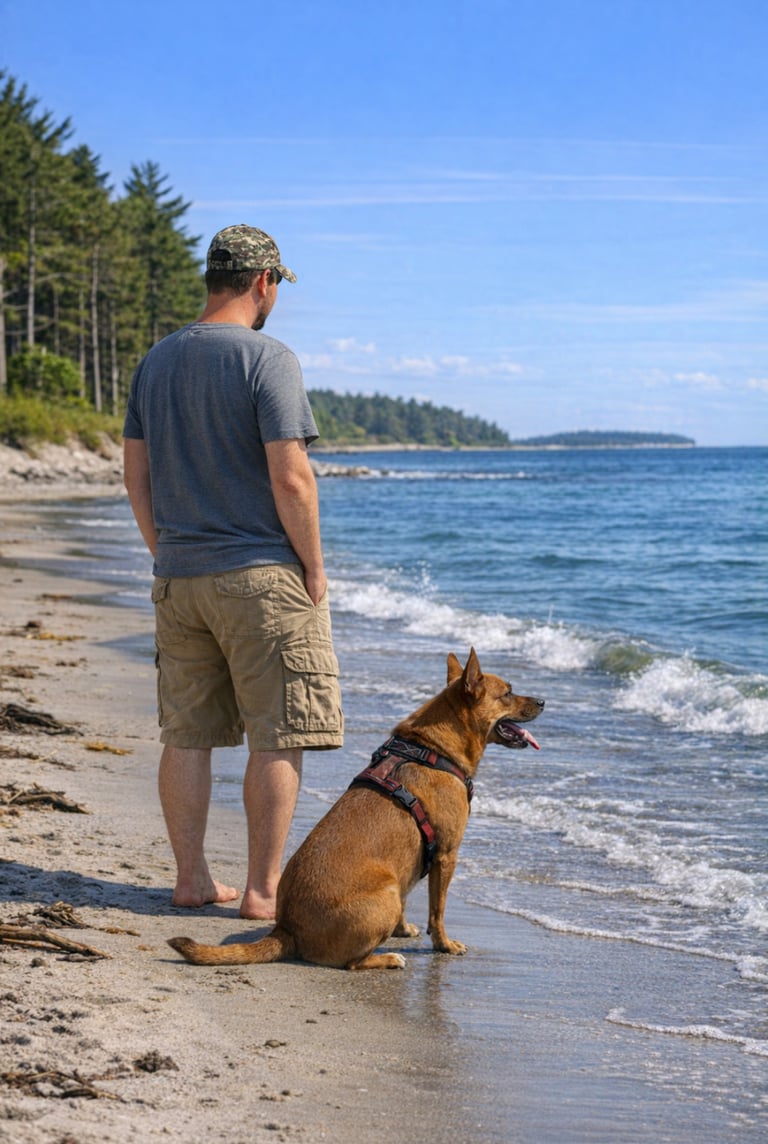
The relationship between dogs and their human companions can be incredibly profound, often leading to the development of a unique bond with what many refer to as a 'favorite person.' This emotional connection often stems from the consistent care, attention, and affection that dogs receive from specific individuals, contributing to their overall sense of belonging and security.
Establishing a bond with a dog requires patience and understanding. It usually begins with interactions that include play, training, and positive reinforcement. Dogs are highly perceptive creatures and can sense when a person is approachable and caring. They thrive on routines, and when a human consistently fulfills their needs—such as feeding, exercising, and providing companionship—this helps establish trust. Consequently, the dog starts to associate that particular person with comfort and safety.
For dogs, emotional safety is paramount. A favorite human offers an environment where dogs can express themselves freely without fear of reprisal or neglect. This trust can be evident through various behaviors, such as seeking proximity, following their favorite person around the house, or displaying signs of excitement when they return home. Moreover, the emotional state of the dog often reflects their bond with the favorite human; a dog may exhibit signs of happiness and relaxation when with their chosen companion.
Additionally, the role of socialization plays a significant part in this bond. Dogs that have been socialized early tend to develop their connections more readily, as they learn to trust humans and enjoy their company. Therefore, fostering a strong relationship with a dog is not merely about meeting their physical needs but also about nurturing their emotional well-being. In this way, the favorite person becomes a blend of caregiver and companion, intertwining their lives in a relationship built on mutual love and respect.
Factors Influencing a Dog's Choice
The affectionate bond dogs form with humans is complex and influenced by various factors throughout their lives. One significant aspect is the socialization window, particularly the first six months of a dog's life. During this crucial period, puppies are most receptive to forming relationships and experiences that will shape their interactions in adulthood. Positive exposure to people, environments, and other animals can enhance their social skills and help them develop a stronger bond with their favorite person.
The role of training also cannot be overstated. Dogs learn to associate specific individuals with positive experiences, especially when training is involved. Consistent training routines foster trust and security, allowing dogs to feel more comfortable around particular people. Furthermore, the style of interaction plays a crucial role. A person who consistently uses treats, praise, and playful engagement is more likely to be viewed favorably, thus increasing the likelihood of being recognized as a favorite.
Another factor that can influence a dog's preference is their inherent personality and breed characteristics. Breeds can exhibit various tendencies towards attachment, with some being more predisposed to select a primary human companion. Additionally, a dog's past experiences, such as abuse or neglect, might affect their ability to bond, making them wary or more selective in their attachments.
In conclusion, understanding the factors that influence a dog's choice of their favorite person highlights the importance of early socialization, training, and individual temperament. By fostering secure, positive interactions, owners can strengthen their bond with their dogs, potentially allowing for a closer relationship that benefits both parties.
Quality Time and Interaction
The bond between dogs and their human companions is significantly influenced by the quality of interactions that they share. While basic care tasks such as feeding and providing shelter are fundamental to a dog's well-being, they do not necessarily foster a deep bond. Dogs thrive on experiences that allow for genuine engagement, which enhances their emotional connections with their owners.
Engaged activities, such as taking walks, playing fetch, or participating in training sessions, create opportunities for meaningful interactions. During these activities, dogs experience stimuli that challenge them both physically and mentally, strengthening their attachment to their human companions. Positive reinforcement during play can significantly enhance a dog's perception of their owner as a source of joy and security.
Moreover, these interactive moments facilitate communication between dogs and their owners. Through body language, vocal cues, and gestures, dogs learn to respond to human signals, deepening their understanding of their favorite person. The more time spent engaging in these activities, the more reliable the bond becomes, reinforcing the idea that the time invested in meaningful interactions cultivates affection and loyalty.
Additionally, each dog may have individual preferences for how they wish to engage with their humans. Some may prefer higher-energy activities such as agility training or running, while others may find comfort in quieter activities, such as cuddling or relaxing together. This diversity in preferences allows for unique bonding opportunities, as owners can tailor their interactions to fit the dog's personality and needs.
Ultimately, the basis of a dog’s bond with their favorite person is built upon these moments of genuine interaction. By prioritizing quality time spent together, owners can not only enhance their dog’s happiness but also strengthen the relationship they share, reinforcing the notion that dogs do have favorite persons shaped significantly by shared experiences.
Understanding the Evolving Nature of Dog Relationships
The relationships between dogs and their human companions can be intricate and nuanced, often varying significantly over time. Although many dog owners may observe that their pets exhibit a preference for one individual in the household, it is essential to recognize that these dynamics can evolve due to several factors. Understanding how and why a dog may develop a new favorite person can help pet owners foster more enriching relationships with their furry companions.
One primary reason a dog's favorite person may change is the presence of varying routines and activities. Dogs are creatures of habit, and shifts in their daily environment or the schedule of household members can impact their perceptions and attachments. For instance, if a family member takes on the responsibility of walking, feeding, or training the dog on a regular basis, it is likely that the dog will form a stronger bond with that individual. Conversely, if a primary caregiver becomes less available due to changes in work commitments or lifestyle, the dog may begin to gravitate towards someone else.
The development of the dog's temperament can also play a crucial role in this evolving nature of preferences. As dogs grow and mature, their personalities can change, leading them to connect more closely with particular individuals who meet their emotional or social needs. Puppyhood, adolescence, and adulthood can bring about shifts in behavior and preferences that are reflective of the dog’s experiences and interactions with different family members.
Ultimately, the process of bonding between dogs and their humans is not static. Factors such as shifts in care habits, changes in daily routines, or the natural development of a dog's character shape these relationships. Recognizing that a dog's favorite person may change over time allows owners to be more adaptable and responsive, thereby enhancing the overall quality of the bond they share with their pets.