
Dog Training Tips for Leash Walking Success
Discover effective dog training techniques to teach your pet to walk on a leash. Our expert dog walking tips will help you enjoy peaceful and enjoyable walks with your furry friend.
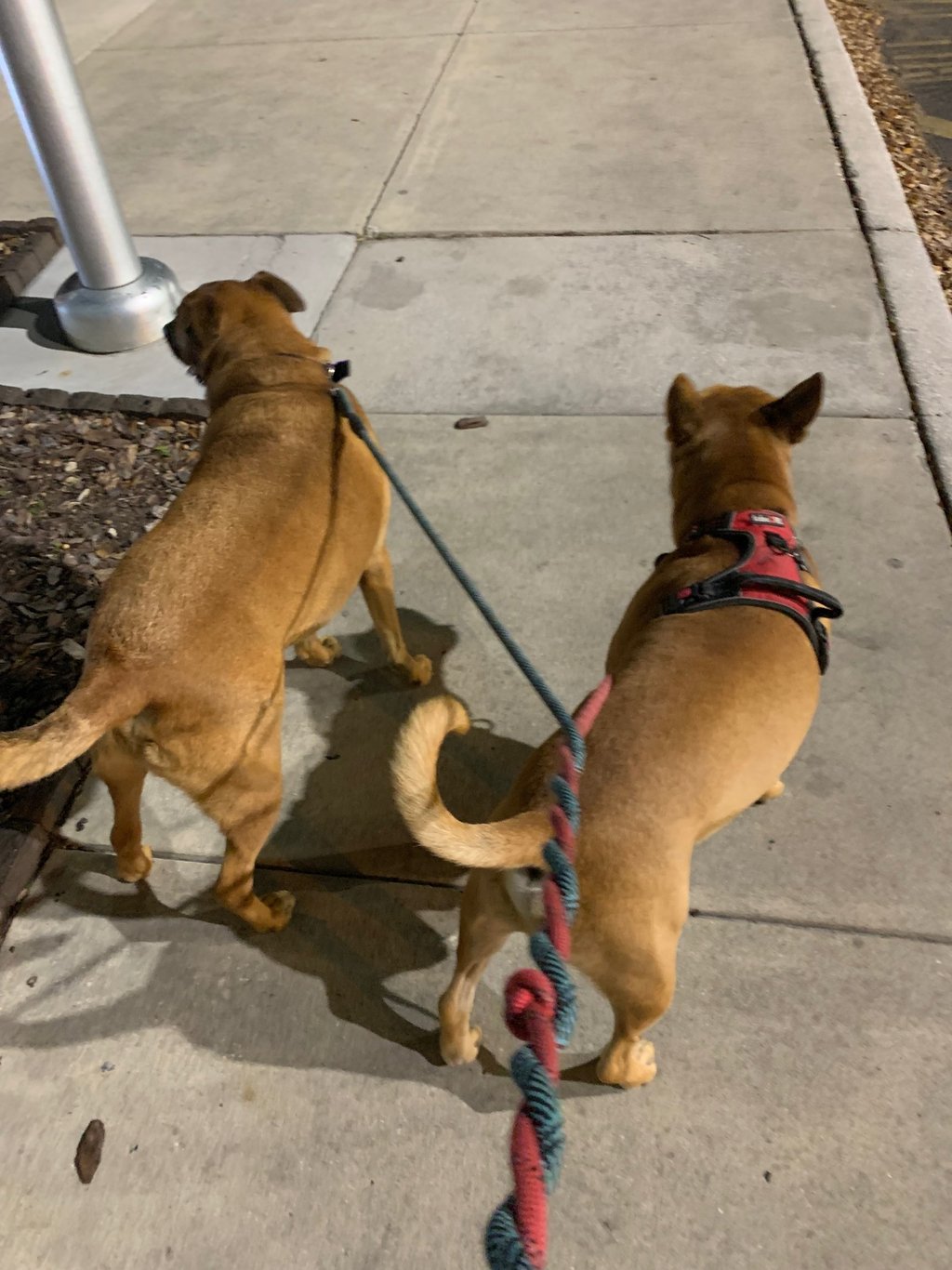
Tank 🐕 and Buddy 🦮
5/15/20268 min read
Understanding the Importance of Leash Training
Leash training is a vital aspect of responsible dog ownership, fundamentally enhancing the relationship between a dog and its owner. One of the primary benefits of leash training is safety. By training your dog to walk alongside you on a leash, you mitigate the risk of accidents, allowing for controlled exposure to various environments. This ensures that your pet is protected from potential dangers, such as traffic or aggressive animals, while also protecting passersby and other dogs.
Moreover, leash training plays a significant role in socialization. Dogs are social creatures that thrive on interaction with their surroundings. A properly trained dog is more capable of engaging positively with both people and other dogs. This controlled approach to socialization allows for a gradual exposure to new stimuli, building a confident and well-adjusted canine companion. As your dog becomes accustomed to walking on a leash, it will develop better manners and reduce anxiety-related behaviors that can arise from uncontrolled moments.
Building trust is another critical aspect of leash training. When you consistently guide your dog using a leash, it develops confidence in your directions and your ability to keep it safe. This trust fosters a deeper bond, making future training sessions easier and more effective. Conversely, failing to train your dog to walk on a leash may lead to behavioral issues. Untrained dogs might display undesirable actions such as pulling, barking excessively, or even escaping to explore without bounds. Such behavior not only risks the dog’s safety but also presents challenges for the owner in managing the animal.
In conclusion, leash training is paramount for both safety and the well-being of your dog. Through effective leash training, owners can ensure a secure and rewarding experience for their pet, helping to cultivate a harmonious relationship that benefits both parties.
Choosing the Right Leash and Collar
Selecting the appropriate leash and collar for your dog is a foundational step in ensuring safe and pleasant walks. The correct gear not only supports your dog's safety but also enhances the walking experience. When choosing a collar, consider your dog's size, breed, and temperament. For example, a flat collar is ideal for most dogs, providing a simple and comfortable way to attach a leash. However, for dogs that tend to pull, a harness may be more suitable as it distributes pressure across a larger area of the body, reducing strain on the neck.
Additionally, there are various types of collars to choose from. Martingale collars, designed with a limited-slip mechanism, are often recommended for dogs who are skilled at slipping out of traditional collars. On the other hand, training collars such as prong or electronic collars are options for specialized training but should be used with caution and under expert guidance, as they can cause discomfort or anxiety if misused.
When it comes to leashes, the standard 6-foot leash is generally the best choice for most situations, as it allows for better control. Retractable leashes offer dogs more freedom to explore but can be problematic if not used properly, as they can lead to tangled leashes or sudden pulls. It is important to consider the environment in which you will be walking your dog. For busy areas, a standard leash is advisable, while for more open spaces, a retractable leash could be enjoyable for both you and your pet.
Ultimately, the choice of leash and collar should reflect your dog's needs, ensuring both safety and comfort. Assessing these requirements carefully will foster a positive leash walking experience, strengthening the bond between you and your dog.
Basic Training Commands for Walking on a Leash
Successfully training your dog to walk on a leash involves teaching basic commands that facilitate control and ensure a pleasant experience for both the dog and the handler. Essential commands such as 'sit,' 'stay,' and 'heel' are fundamental to effective leash training. These commands not only help in managing the dog's behavior during walks but also enhance the bond between the dog and owner.
The command 'sit' is often the first command taught to dogs and serves as a foundational behavior for many subsequent commands. To teach 'sit,' begin by holding a treat close to your dog’s nose and slowly moving it upwards, causing their rear to lower. Once your dog is seated, reinforce the behavior with praise and the treat. Repetition of this exercise over a few days can establish the command, ideally practicing it for about five to ten minutes each session. It is crucial to ensure that the training is consistent, and positive reinforcement encourages your dog to comply.
'Stay' is another essential command that allows the dog to remain in a designated position until released, thus ensuring their safety during walks. After your dog has mastered sitting, you can introduce 'stay' by commanding them to sit and then slowly stepping back. Gradually increase the distance and duration before returning to reward them. This command typically requires several weeks of practice, given that dogs need to learn the concept of remaining stationary.
Finally, the 'heel' command is indispensable for teaching the dog to walk beside you without pulling on the leash. Use treats to guide them into position next to your leg, and encourage them to maintain that position as you walk. Initiating this training in a quiet environment with minimal distractions will yield the best results. Regular practice sessions, ideally around 15 to 20 minutes daily, reinforce this command effectively.
Introducing Your Dog to the Leash
Introducing your dog to a leash can be a pivotal moment in establishing a well-behaved companion. To begin this process, select a comfortable and lightweight leash to acclimate your dog. Initially, it is advisable to allow your dog to wear the leash indoors for short intervals. This will help them become familiar with the sensation of having something attached to their collar without the external distractions of the outside world.
While your dog wears the leash, it is crucial to monitor their behavior. Reward calm and relaxed behavior with treats or praise. Positive reinforcement is an effective way to associate the leash with enjoyable experiences. If your dog reacts negatively, such as trying to chew on the leash or pulling away, do not force the situation. Gently encourage them to focus on you and offer treats, keeping the environment as calm as possible.
During these initial introductions, address common issues that may arise. For instance, if your dog attempts to hide or shows signs of anxiety, take a step back. Allow your dog to explore the leash at their own pace. Patience is essential; the goal is to create a positive association with the leash, not to rush the process. Gradually increase the duration your dog wears the leash, ensuring to keep sessions short and enjoyable to prevent any overwhelm.
This introduction process can lay a solid foundation for future leash training. Eventually, the leash can transition from an object of curiosity or anxiety to a tool of exploration and bonding. Once your dog is comfortable wearing the leash indoors, you can proceed to practice short walks in your home or yard, stimulating their interest in walking alongside you.
Practicing Walking on a Leash
When it comes to teaching your dog to walk on a leash, consistent practice is key. Start by choosing a quiet area free from distractions to ensure your dog can concentrate on the task at hand. Begin by allowing your dog to get accustomed to the leash and collar or harness. Let them wear it inside the house for a short period so they can become familiar with the feeling.
Once your dog is comfortable, it is time to begin walking. Hold the leash with a loose grip, using a length that allows your dog some freedom to explore, but still keeps them close to you. When you start walking, establish a pace that is comfortable for both you and your dog. A steady pace encourages your dog to match your movements, making it easier for them to learn the desired behavior.
Handling distractions is a crucial part of leash training. During your walks, your dog will encounter various stimuli such as other dogs, people, or sounds. Be prepared for these distractions by keeping treats handy. If your dog begins to pull or gets distracted, calmly bring their attention back to you using treats or your favorite voice command. Implementing a stop-and-go technique can also facilitate better leash manners. If your dog begins to pull ahead, stop walking, and wait until they return to your side before proceeding. This reinforces the idea that pulling does not lead to forward movement.
Consistency is essential in any leash training regimen. Regular short sessions will yield better results than infrequent, lengthy outings. Each walk is an opportunity for training, reinforcing the skills you want to instill in your dog. Make sure that all family members involved in walking the dog are on the same page about commands and expectations. Consistent practices will help your dog learn to walk on a leash in a manner that is enjoyable for both of you.
Addressing Common Challenges
Leash training presents a variety of challenges for dog owners, particularly in the early stages. Common issues include pulling, lunging, or excessive barking, which can make walks stressful for both the dog and the owner. Understanding these challenges is essential for effective training and ensuring a pleasant walking experience.
One prevalent issue is pulling on the leash. This behavior often occurs when a dog is overly excited or eager to explore their surroundings. To address this, owners can implement the "stop-and-go" method. Whenever the dog pulls ahead, the owner should stop walking. Once the dog returns to their side, praise and continue walking. This technique reinforces the desired behavior, teaching the dog that pulling does not lead to progress.
Lunging at distractions such as other dogs or people can also complicate leash training. When a dog lunges, it is crucial to redirect their focus. Utilizing treats or their favorite toys can effectively divert their attention from the source of distraction. By rewarding them for maintaining focus on the owner or walking calmly, dogs learn to associate good behavior with positive reinforcement.
Excessive barking can be another significant challenge during walks. Dogs may bark for various reasons, including excitement or anxiety. To mitigate this, owners should remain calm and assertive. Utilizing commands such as "quiet" in a firm yet gentle tone can help manage barking. If the barking stems from anxiety, gradual exposure to the source of fear while rewarding calm behavior can also decrease this response over time. In situations where behaviors persist despite efforts, seeking the guidance of a professional dog trainer might be necessary.
Maintaining Consistency and Building a Routine
Establishing consistency in leash training is crucial for your dog’s success in learning to walk on a leash. Dogs thrive on routine, and incorporating regular walking sessions into your daily life is essential. This means setting aside specific times each day dedicated to leash walking. Keeping these times consistent allows your dog to anticipate walks, which ultimately strengthens their ability to associate the leash with positive experiences.
To enhance the walking experience, consider blending routine walks with enjoyable activities. For instance, you might explore different routes that stimulate your dog's senses, or bring along their favorite toy for interactive play after the walk. These methods not only make walking more enjoyable but also reinforce the behavior you wish to encourage. Rewards such as treats or praise can further motivate your dog, making them more eager to engage in leash practices.
As your dog begins to adapt to the leash, it’s essential to gradually increase the difficulty of the walking environment. Start in familiar and quiet areas, then slowly introduce distractions such as other pets, pedestrians, and various noises. This progression is vital for helping your dog learn to focus on you while walking, ultimately enhancing both their confidence and control.
Additionally, monitoring your dog’s behavior and making adjustments to your training routine can significantly impact their progress. Maintaining an observant eye will allow you to identify any lingering anxieties or hesitations. Address these gently, as patience is a key component of effective leash training. This ongoing commitment to consistency and adapting to your dog’s needs will ensure that walking on a leash becomes a natural and enjoyable experience for you both.