Best Dog Collars: Flat, Martingale & More Options
Discover the best dog collars for your furry friend, including flat leather collars, martingale collars, headcollars, and more. Learn about their unique benefits and how to choose the right collar based on your dog's needs and breed. Ensure comfort and safety with the perfect fit!
Tank 🐕
6/16/20268 min read
Understanding the Basics of Dog Collars
Dog collars serve as essential tools in pet ownership, enabling owners to secure, control, and identify their canine companions. The primary purpose of a dog collar is to provide a means for attaching a leash when walking, thereby ensuring the safety of both the dog and its surroundings. Furthermore, collars also offer a space for identification tags, which can be crucial in helping lost pets find their way home.
When selecting a collar, several factors should be taken into account to ensure it is suitable for your dog's needs. Firstly, consider the type of material used in the collar’s construction. Common materials include nylon, leather, and adjustable fabric, each with its unique benefits. For instance, nylon collars are lightweight and come in a range of colors and designs, making them a popular choice among pet owners. Leather collars, on the other hand, are known for their durability and classic appearance but may require more maintenance.
Another significant aspect to consider is the collar's fit and comfort. A well-fitted collar should allow for two fingers to fit comfortably between the collar and the dog’s neck. This ensures that it is snug enough to prevent slipping off but not so tight that it restricts movement or causes discomfort. Additionally, various collar designs—such as buckle, quick-release, or martingale collars—offer different functionalities. Some collars are specifically designed for training purposes, while others may include features like reflective material for increased visibility in low-light conditions.
Ultimately, when choosing a dog collar, the safety, comfort, and functionality must be balanced to meet the unique needs of your pet. Understanding the basics of the different types of collars available is the first step in making an informed decision, ensuring a positive experience for both you and your dog.
The Best Overall Choice: Flat Leather Collars
When selecting a dog collar, the myriad of options available can be overwhelming for pet owners. Among these, flat leather collars with a standard buckle stand out as the best overall choice for most dogs. Their design not only embodies simplicity but also offers numerous advantages in terms of safety, durability, and comfort.
Safety remains a paramount consideration in any dog collar. Flat leather collars minimally present risks of snagging or injury, as their flat design lays comfortably against the dog's neck. A securely fastened standard buckle prevents accidental releases, reducing the likelihood of the collar slipping off during walks or playtime. This contributes significantly to the dog's overall safety, a critical aspect that every pet owner should prioritize.
Durability is another defining feature of flat leather collars. Crafted from high-quality leather, these collars resist wear and tear far better than their fabric counterparts. They can withstand various environmental conditions, including rain and dirt, without compromising their functionality or appearance. Unlike synthetic materials, which may fray or degrade over time, leather collars maintain integrity and structure, ensuring they last for years. Proper care, such as occasional conditioning, further extends their lifespan.
Comfort is essential for a well-fitting collar, and flat leather designs excel in this regard. The material is soft against the skin and tends to break in, molding to the dog’s neck over time. This natural comfort reduces the risk of chafing or irritation, making it suitable for daily wear. Moreover, flat collars offer a range of sizes, accommodating different breeds and neck sizes, ensuring an optimal fit for every dog.
Types of Dog Collars and Their Best Uses
When choosing a dog collar, it is essential to understand the various types available and their unique features. Each collar serves specific needs, making it vital to select one that suits both the dog's behavior and the owner's requirements.
Firstly, flat collars are the most common type of collar. They are typically made from nylon or leather and come with a metal buckle or plastic clasp. Flat collars are ideal for daily use and provide a secure way to attach identification tags and leashes. While they are suitable for well-behaved dogs, they may not be the best option for those that pull or lunge, as the collar can constrict the dog's neck without proper guidance.
Next, martingale collars are designed to provide better control for dogs that tend to slip out of their collars. These collars feature a loop that tightens slightly when the dog pulls, allowing for gentle correction without choking. They are particularly beneficial for breeds with smaller heads, ensuring that the collar remains secure while walking or training.
Headcollars, sometimes referred to as head halters, offer an alternative approach for controlling a dog that pulls on the leash. By attaching the leash to the headcollar, the owner can steer the dog’s head, effectively directing its body as well. This type of collar is especially useful for larger breeds where harnesses and regular collars may prove ineffective.
For pet owners concerned about their dog’s safety during outdoor activities, GPS tracking collars are an innovative option. These collars incorporate GPS technology to allow owners to monitor their pet's location through a smartphone app. This feature can prevent the stress of losing a dog during off-leash adventures.
Finally, rolled leather collars offer a stylish yet practical solution. Their unique design reduces fur tangling, making them ideal for long-haired breeds. They provide comfort and durability, showcasing an elegant look that is suitable for both casual and formal settings.
Specialty Collars: When and Why to Use Them
Specialty collars are a category of dog collars designed to address specific behavioral issues or training needs. Among these, prong collars and shock collars have garnered both attention and controversy due to their unique mechanisms and intended uses. Prong collars, often misunderstood, are designed to address pulling behavior by applying pressure around the dog's neck when tension is applied to the leash. When used correctly, they can be an effective tool for training, particularly in large, strong breeds. However, they should be reserved for trained handlers who understand proper usage to avoid injuries or negative experiences for the dog.
Shock collars, also known as electronic collars or e-collars, deliver a mild shock to the dog as a form of aversive training. These collars can be utilized in situations where other training methods have been ineffective, but they are often met with skepticism due to concerns over animal welfare. Critics argue that shock collars can lead to anxiety, fear, and aggression if not used judiciously. Therefore, it is paramount for dog owners considering such devices to consult with professional trainers or behaviorists who can provide guidance tailored to their dog’s specific needs.
While some owners perceive these collars as solutions for stubborn dogs, the debate surrounding their effectiveness and ethical implications is ongoing. Responsible use is key; ensuring that any specialty collar is employed as part of a comprehensive training program combining positive reinforcement and behavior modification. The decision to use such collars should not be taken lightly, and one must consider the potential impact on the dog's well-being and mental state. Proper education on handling and timing is essential before implementing these devices in training routines.
How to Choose the Right Collar for Your Dog
Choosing the right collar for your dog is a crucial aspect of pet ownership that goes beyond mere aesthetics. It involves considering various factors including your dog's size, breed, and behavior habits. The collar you select must be appropriate for your dog's physical characteristics and activity level to ensure it offers comfort and safety.
First and foremost, size matters. A collar that is too tight can cause discomfort and restrict movement, while one that is too loose may slip off easily. To determine the right size, measure the circumference of your dog's neck with a soft measuring tape, ensuring that you have a snug fit without causing any discomfort. As a general guideline, you should be able to fit two fingers between the collar and your dog's neck.
Next, the breed of your dog plays a crucial role in collar selection. Different breeds have varying neck structures and ranges of physical activity. For example, a smaller breed like a Chihuahua may require a lightweight collar designed for petite dogs, whereas larger breeds like a Labrador may benefit from a sturdier, more durable option. Some breeds also have specific behavioral traits that can influence the type of collar suitable for them, such as a tendency to pull on the leash or a high level of energy.
Behavioral habits are another important consideration when selecting a collar. If your dog tends to pull during walks, a front-clip harness may be more suitable than a traditional collar, as it can prevent strain on their neck. Moreover, understanding your dog's typical activities will help you choose a collar that can withstand wear and tear, especially if your dog enjoys regular outdoor adventures.
In conclusion, selecting the right collar for your dog requires careful consideration of size, breed, and behavior. By following these guidelines and utilizing the two-finger rule for fitting, you can ensure your dog wears a collar that is comfortable, secure, and appropriate for their needs.
The Importance of Proper Fit and Maintenance
Ensuring that a dog collar fits properly is crucial for the safety and comfort of your pet. A well-fitted collar helps to prevent injuries and allows for better control during walks or training. If a collar is too loose, a dog may be able to slip out of it, which could result in dangerous situations or even escapes. Conversely, if a collar is too tight, it can cause discomfort or injury, such as choking or irritation. Therefore, it is essential to measure your dog's neck circumference accurately and choose a collar that can be adjusted as needed. Typically, you should be able to fit two fingers between the collar and your pet's neck for optimal snugness without constraining it.
Regular maintenance of dog collars is equally important in ensuring their functionality and longevity. Depending on the material, dog collars may require different care methods. For instance, nylon collars should be rinsed and air-dried regularly to prevent mildew and odors, while leather collars benefit from conditioning to keep the leather supple and prevent cracking. Periodically inspecting the collar for wear and tear is also vital; look for frayed edges, peeling materials, or weakened clasps that could compromise the collar's integrity.
Additionally, it is vital to replace collars when they show signs of excessive wear or when your dog outgrows their current collar. A collar that fits well and is well-maintained ensures that your dog is safe and comfortable, which is the top priority for any pet owner. Taking the time to regularly assess the fit and condition of your dog's collar contributes significantly to their overall well-being and your peace of mind.
Considerations for Spiked Dog Collars
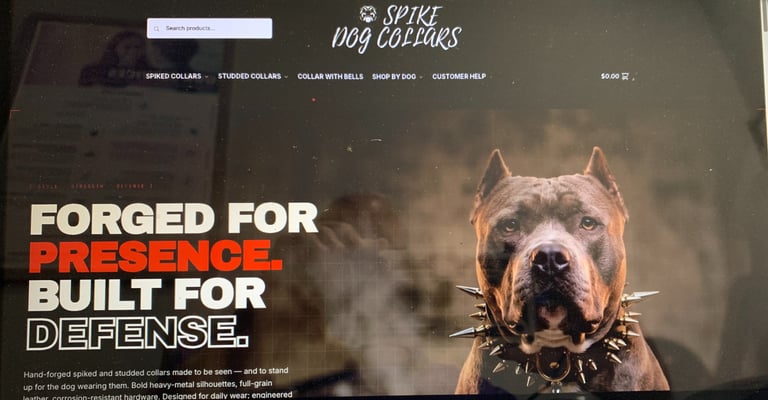
Spiked dog collars, often characterized by the presence of conical metal spikes on their exterior, serve both functional and decorative purposes. While they may convey a sense of toughness or a rebellious aesthetic, their use is mostly intended for specific circumstances. Understanding the reasons behind choosing a spiked collar is crucial for responsible pet ownership.
One of the main functions of spiked dog collars is to deter aggressive behavior from other animals. For instance, when a dog is in a highly stimulating environment such as a dog park, a spiked collar can act as a visual warning to other dogs. Moreover, spiked collars can offer some level of protection against potential attacks. However, it is vital to note that these collars should not be solely relied upon for behavioral control, as proper training and socialization are far more effective approaches.
Despite their apparent advantages, spiked collars also come with notable drawbacks. The spikes can pose serious safety concerns, both for the dog wearing the collar and for people or other animals around them. Sharp spikes could inadvertently injure the dog itself if they get caught on objects or during rough play. Additionally, some individuals may perceive spiked collars negatively, associating them with aggression or a hostile temperament, which can affect social interactions.
When considering a spiked dog collar, it is also essential to evaluate the specific context in which it will be used. For example, while these collars might be appropriate for certain breeds or situations, they may not be suitable for everyday use. Responsible dog owners should consider their dog’s temperament, behavior, and the environments they will frequent. Ultimately, a spiked collar should complement the overall well-being of the pet.