Best Foods for Dogs with Dental Issues
Discover the best foods for dogs with dental issues. From boiled chicken and yogurt to mashed sweet potatoes and soft fruits, find safe options that are easy to chew and beneficial for your dog's health. Avoid hard foods and sugary snacks to protect their teeth.
Buddy 🦮
7/14/20268 min read

Understanding Dental Issues in Dogs
Dental health is crucial for the overall well-being of dogs, yet many pet owners may overlook the importance of this aspect of care. Common dental issues that dogs face include gum disease, tooth decay, and broken teeth. Gum disease, also known as periodontal disease, is particularly prevalent and can begin as early as three years of age. This condition results from plaque build-up, which, if not addressed, leads to swollen gums and potential tooth loss.
Tooth decay, another prevalent problem, occurs when bacteria in the mouth produces acid that erodes the enamel of the teeth. This not only causes discomfort but also can lead to more severe infections if left untreated. Similarly, broken teeth can arise from various causes such as chewing hard objects or trauma, leading to pain and complications, including infections.
The connection between dental health and overall health cannot be overstated. Poor dental hygiene can lead to bacteria entering the bloodstream, potentially affecting vital organs such as the heart and kidneys. Consequently, maintaining good dental hygiene through regular brushing, dental check-ups, and the right diet is essential.
For dogs suffering from dental problems, soft foods are necessary as they reduce the risk of further injury to sensitive gums and broken teeth. Foods with a softer texture are easier to chew and generally more palatable for dogs in pain. Moreover, pet owners should consider altering feeding practices by choosing specially formulated soft dog food or hydrating dry kibble to enhance palatability while maintaining essential nutrients. Understanding these dental issues and adjusting the diet accordingly can significantly improve a dog's quality of life.
For dogs experiencing dental issues, the texture of their food plays a crucial role in their overall health and well-being. Providing soft and easily chewable foods is essential to minimize discomfort while eating. Many dogs with dental problems find it painful to chew hard kibble or other abrasive foods, which can lead to reduced appetite and nutritional deficiencies. Soft-textured foods can help alleviate this pain, allowing dogs to enjoy mealtime without distress.
Moreover, soft foods protect fragile teeth that may have been compromised due to decay or gum disease. Hard foods can further damage weakened teeth, leading to increased pain and, potentially, infections. By offering softer options, pet owners can ensure that their dog's remaining teeth are preserved and that their oral health does not deteriorate further. This becomes imperative, especially for senior dogs or those with a history of dental complications.
It is also vital to consider the nutritional aspects of the soft foods provided. Many soft dog foods are designed with adequate vitamins and minerals to support health, ensuring that dogs receive the nutrients they need even when their chewing ability is compromised. Additionally, bite-sized pieces prevent choking hazards, which can be a significant risk for dogs struggling with dental pain. Foods should be served unseasoned to maintain their natural flavors and to avoid introducing any irritants that might exacerbate dental discomfort.
In conclusion, prioritizing easy-to-chew foods for dogs with dental issues is essential not only for their comfort during meals but also for their overall health. By selecting soft textures, pet owners can significantly improve their dogs' quality of life while supporting their nutritional needs effectively.
Nutritious Soft Foods to Include in Their Diet
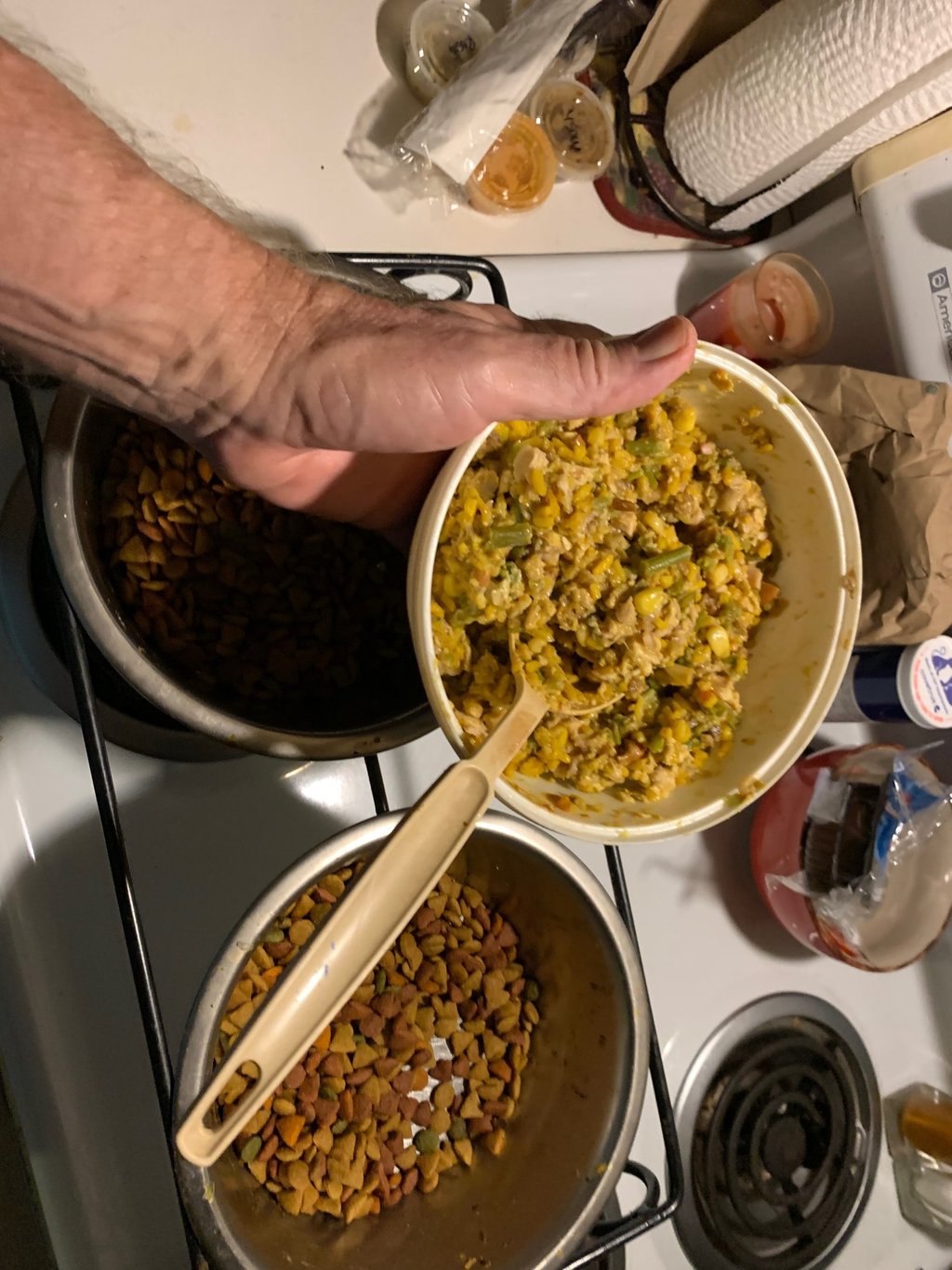
For dogs facing dental issues, it becomes essential to ensure their diet consists of soft, nutritious food that is easy to consume yet packed with vitamins and minerals. One excellent option is boiled chicken or turkey. These lean meats are highly digestible and rich in protein, which is crucial for maintaining muscle mass and overall health. Serving a small bowl of shredded, skinless boiled chicken or turkey can be very appealing to a dog with dental problems.
Plain yogurt or kefir, both of which are excellent sources of probiotics, can also be incorporated into their diet. These dairy products not only aid digestion but also enhance the immune system. Ensure you choose variants that contain no added sugars or toxic ingredients for dogs. A few tablespoons added to their food or offered separately can be beneficial.
Scrambled or hard-boiled eggs are another soft food option. They are rich in essential amino acids and are soft enough to eat easily. A whole egg is appropriate for smaller breeds, while larger breeds may require two eggs at a time in moderation. It’s advisable to avoid adding any seasonings or oils during cooking.
Other excellent choices include oatmeal and white rice, which serve as bland carbohydrates that can soothe an upset stomach. When cooked, these grains can be offered in small amounts mixed in with other meals.
Mashed sweet potato is another nutritious alternative, rich in fiber and vitamins. A small scoop served warm can provide a comforting meal. Finally, pureed pumpkin is a fantastic source of antioxidants and fiber. It should be given in moderation, about a tablespoon per meal, to help maintain digestive health.
Gentle Human Treats for Dogs with Dental Challenges
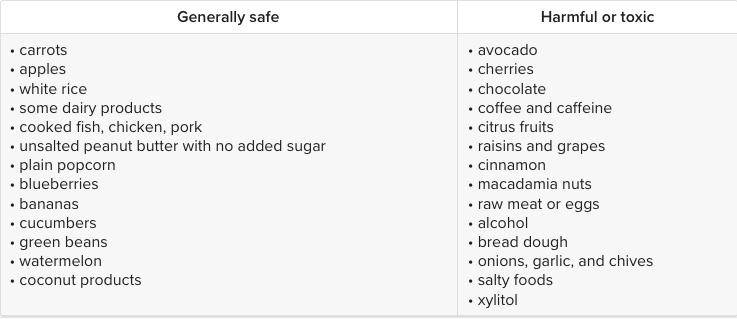
For dogs with dental issues, providing the right kind of treats is crucial for their comfort and health. Soft, nutritious human treats can be an excellent option. They not only satisfy a dog's craving but also cater to their dietary needs and ease the challenge posed by dental problems. Among the various options, cucumbers, bananas, watermelon, and blueberries stand out due to their texture and nutritional benefits.
Cucumbers, for instance, are low in calories and high in water content, making them a hydrating snack. They are crunchy and refreshing, yet can be easily softened if cut into small pieces. Simply slice the cucumber into bite-sized, manageable pieces to eliminate any risk of choking. A few slices per day can make a great treat without overwhelming your dog’s digestive system.
Bananas are another excellent treat for dogs experiencing dental challenges. Their soft texture requires minimal chewing, making them easy on sensitive teeth. Rich in potassium and vitamins, bananas can be offered in slices or mashed to enhance palatability. It is advisable to limit banana portions to half a banana for small breeds, while larger dogs can enjoy up to one banana per day.
Watermelon, when prepared correctly, can be a juicy delight for dogs. It is important to remove all seeds and the rind to prevent choking hazards. Watermelon is hydrating and packed with nutrients, making it a refreshing treat. About a quarter cup of diced watermelon is sufficient for most dogs, depending on their size.
Lastly, blueberries are a bite-sized fruit that dogs can consume whole, making them an easy treat. They are rich in antioxidants and vitamins, promoting overall health. A small handful is usually enough for an average-sized dog, ensuring a balanced diet without overindulging.
Foods to Avoid for Dogs with Dental Issues
When managing dental issues in dogs, it is crucial to consider their diet carefully. Certain foods can exacerbate existing dental problems or introduce new risks to fragile teeth and gums. Here are some specific foods that should be avoided for dogs suffering from dental issues.
First and foremost, hard fruits and vegetables significantly pose a threat to dogs with dental problems. For instance, items such as raw carrots, apples with tough skins, and hard cucumbers can be too abrasive. While many dogs enjoy crunching on these items, their hardness can cause pain and damage to weakened teeth, leading to increased dental issues.
Another category of concern consists of bones and antlers. Although the idea of chewing on bones may seem appealing to many dog owners, it can actually lead to serious dental injuries. Chewing on hard objects can result in cracked teeth, gum lacerations, and even oral fractures, all of which can complicate dental issues further and require veterinary intervention.
Additionally, sticky or sugary foods can create an environment conducive to plaque accumulation. Treats such as peanut butter, certain sticky candies, and sugary snacks can adhere to teeth, making them difficult to clean. This adherence can lead to a buildup of tartar and, subsequently, periodontal disease. Moreover, the sugar in these items can contribute to tooth decay, compounding the dental problems for already vulnerable dogs.
In light of these concerns, dog owners should be vigilant about their pets’ diets and should consider soft and neutral alternatives. Prioritizing the overall dental health of dogs with existing issues can have a significant impact on their quality of life.
Tips for Serving Dog Food for Dental Health
When addressing the challenges of feeding dogs with dental issues, it is essential to approach the preparation and serving of food thoughtfully. One effective tip is to cut the food into smaller pieces. This makes it easier for dogs with dental sensitivity to chew and digest their meals. For instance, consider chopping vegetables or protein sources into bite-sized morsels to facilitate comfortable eating.
Furthermore, it is crucial to ensure that all food items are unseasoned. Dogs, particularly those facing dental challenges, should not be exposed to additives, spices, or seasonings that can irritate their digestive systems or detract from the food's natural softness. Opting for whole food ingredients can not only promote dental health but can nourish them as well.
Another practical guideline involves preparing the food to achieve optimal softness. Steaming or boiling vegetables can enhance their texture, making them more palatable for dogs experiencing discomfort while chewing. Similarly, cooking meats until they are tender can allow them to be shredded or moistened, further aiding in easy consumption.
Moreover, when introducing new foods, it is important to do so gradually. Sudden changes in a dog's diet can lead to gastrointestinal upset, particularly for those with sensitive teeth and gums. Start by mixing a small amount of the new food with their regular diet over several days, gradually increasing the proportion of the new food to allow their digestive systems to adjust effectively.
With careful attention to preparation and serving methods, one can ensure that dogs with dental health issues enjoy a nutritious diet that meets their needs while promoting their overall well-being.
Maintaining Oral Health Beyond Diet
Maintaining oral health for dogs, particularly those with dental issues, extends beyond the selection of soft and nutritious foods. Regular dental check-ups are a crucial aspect of proactive care. Veterinarians can assess the overall oral health of your dog, identify potential problems early, and recommend necessary treatment. These routine visits ensure that tartar buildup, gingivitis, and more serious dental diseases are addressed promptly. The frequency of these check-ups should be tailored to your dog’s individual health needs, ideally every six to twelve months.
In addition to professional care, implementing the use of dental toys can significantly contribute to maintaining appropriate oral hygiene. Chewing on specially designed toys not only helps to clean the teeth by removing plaque and food particles but also stimulates the gums, promoting better blood circulation. Choose toys that are appropriate for your dog’s size and chewing strength. Some toys even have added dental benefits, such as grooves or textures that enhance cleaning efficiency while being enjoyable for your pet.
Moreover, employing proper oral hygiene practices at home is essential in maintaining your dog’s dental health. Regularly brushing your dog’s teeth is one of the most effective ways to prevent dental diseases. Using a pet-specific toothbrush and toothpaste can make the process easier and more pleasant for your dog. Begin by gradually acclimating your pet to tooth brushing, ensuring it becomes a positive experience. Additionally, providing dental chews and incorporating oral rinses into their routine can further aid in minimizing plaque and promoting fresh breath.
Overall, focusing on a holistic approach to dental care, including vet visits, dental toys, and at-home hygiene practices, is vital for preserving the oral health of dogs with dental issues.